
Heel Pain Treatment in Sugar Land for Long-Term Comfort and Mobility

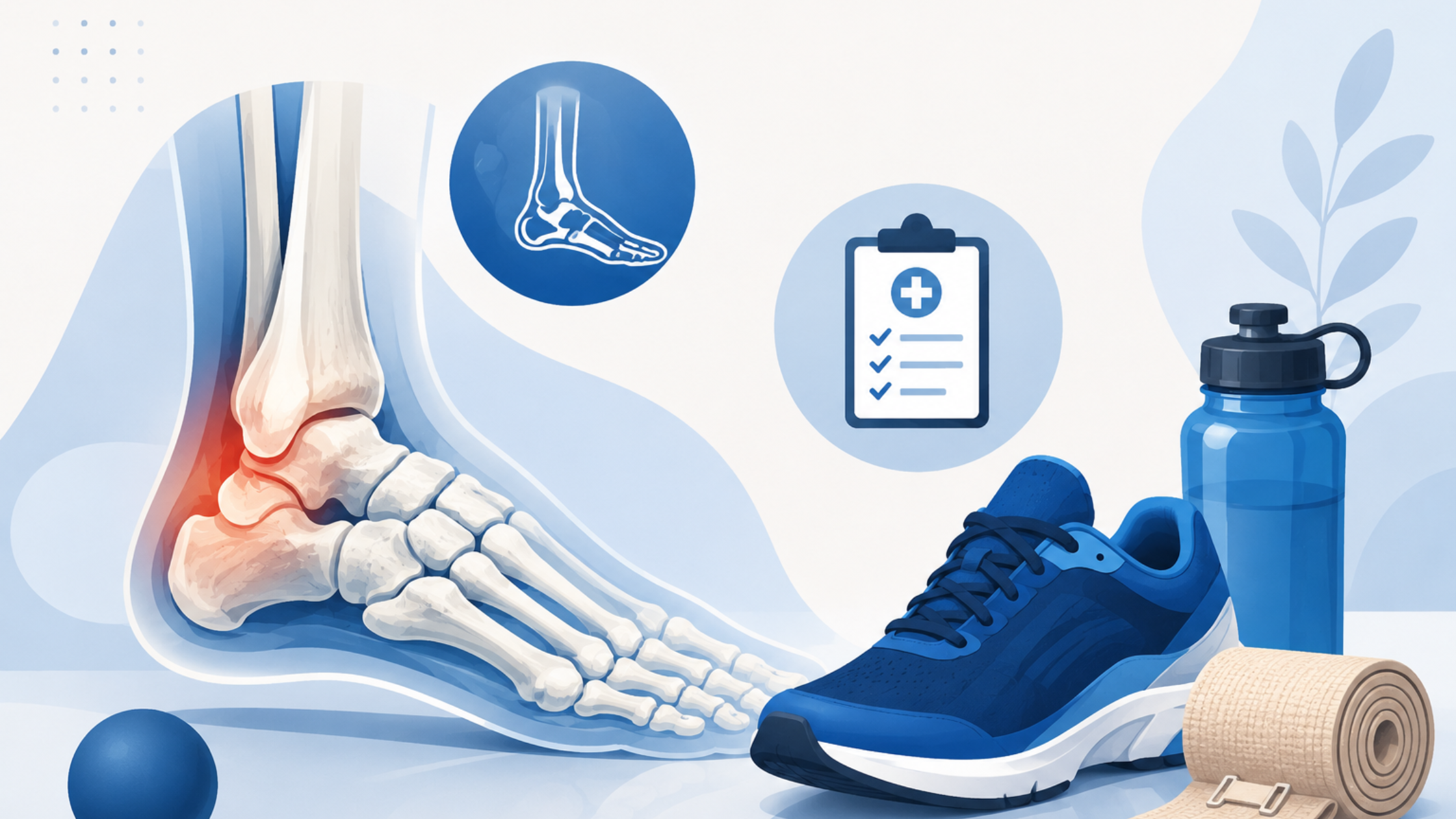
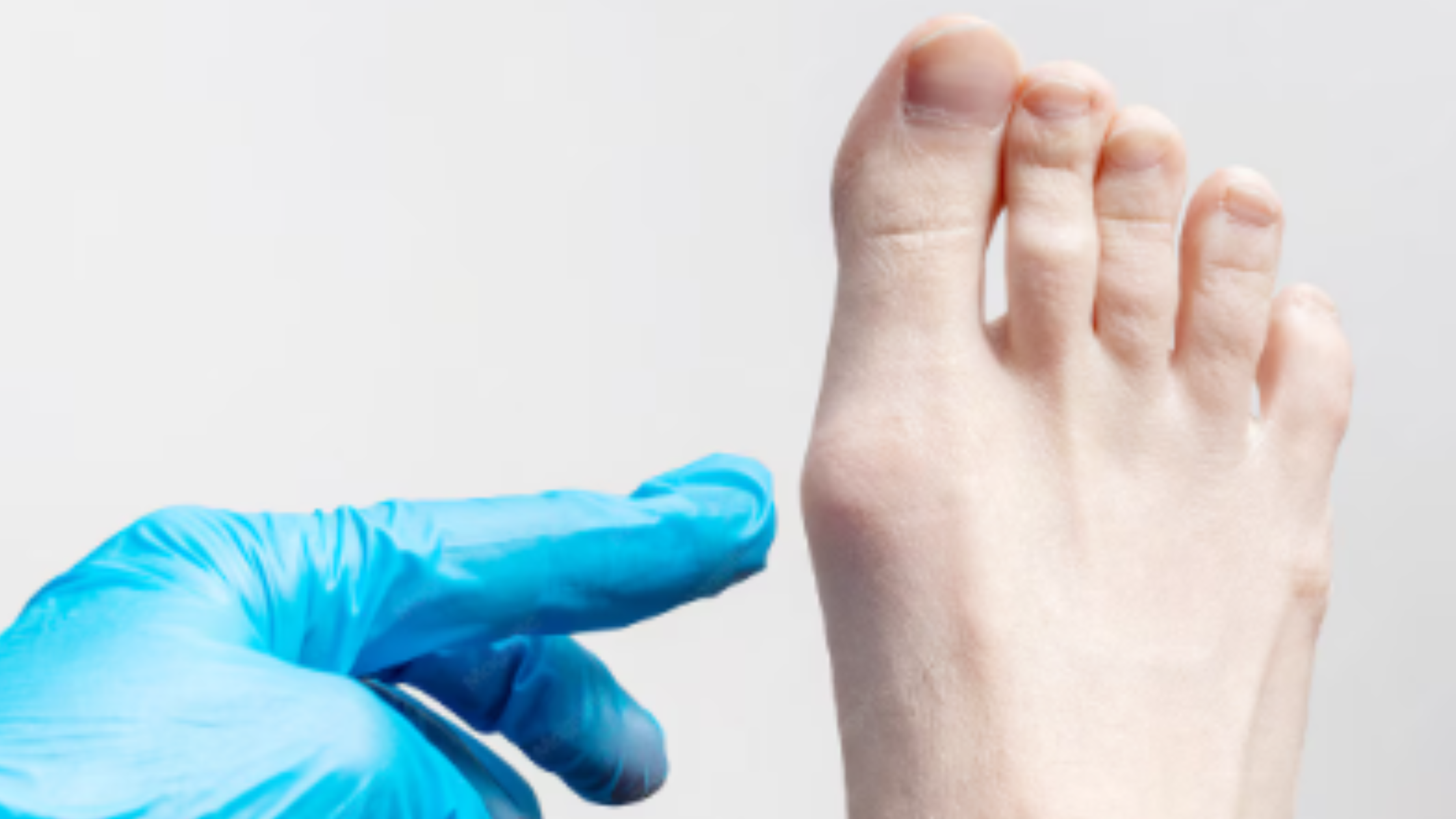
Heel pain is one of the most common foot problems affecting people of all ages. Whether it develops gradually or appears suddenly, persistent heel pain can interfere with daily activities, exercise routines, work responsibilities, and overall quality of life. Even simple tasks such as walking, climbing stairs, or standing for extended periods can become challenging when heel discomfort is present.
Fortunately, modern podiatric care offers a variety of effective treatment options that address both the symptoms and underlying causes of heel pain. At Epic Foot & Ankle, patients receive personalized treatment plans designed to provide long-term relief, improve mobility, and restore foot function.
What Causes Heel Pain?
Heel pain can develop due to several conditions affecting the bones, tendons, ligaments, or soft tissues of the foot.
Common Causes of Heel Pain Include: 1. Plantar Fasciitis
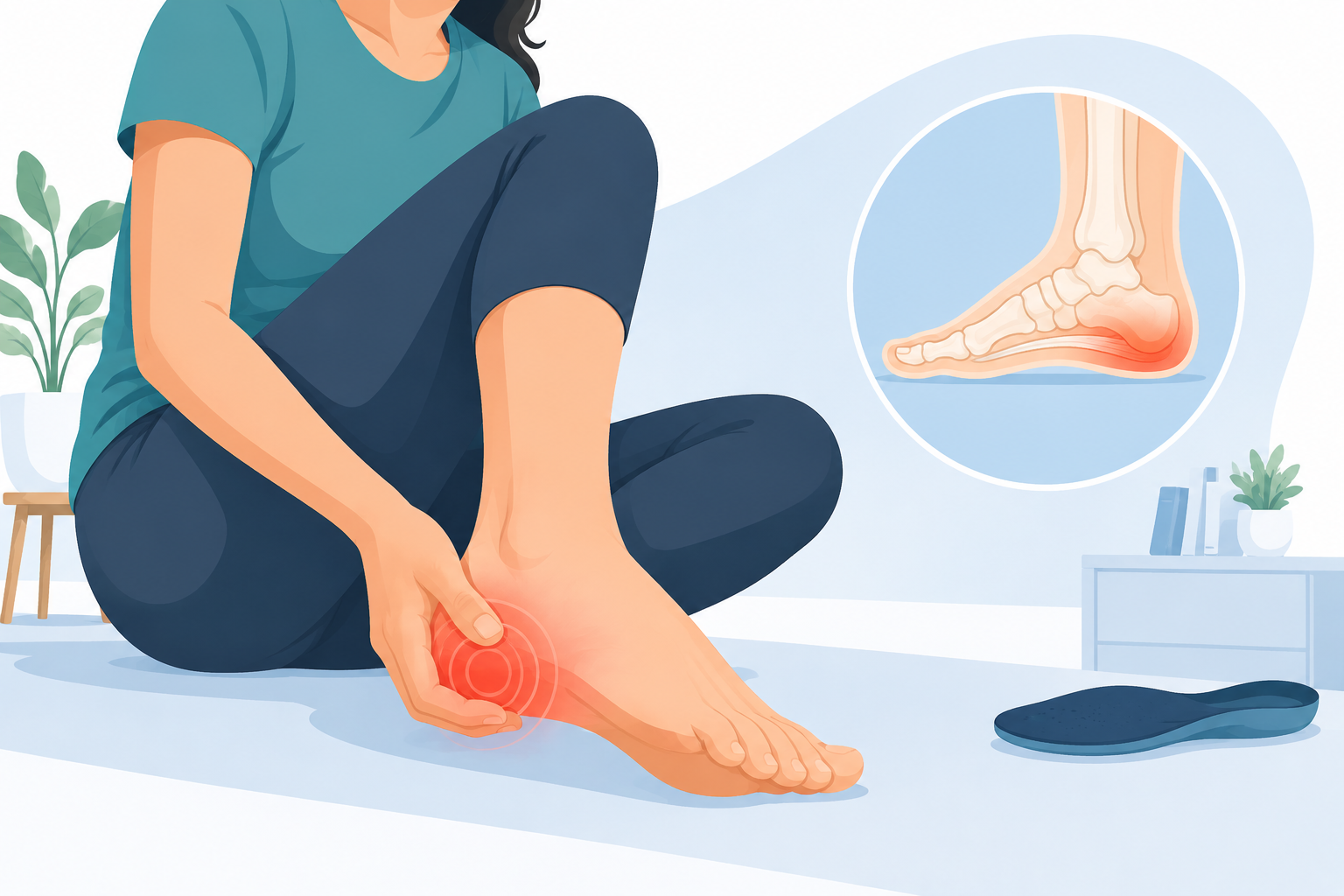
Plantar fasciitis is one of the leading causes of heel pain. It occurs when the plantar fascia, a thick band of tissue connecting the heel bone to the toes, becomes inflamed.
Common symptoms include:
Sharp heel pain in the morning
Pain after prolonged sitting
Discomfort after exercise
2. Heel Spurs
Heel spurs are calcium deposits that form on the underside of the heel bone. They often develop alongside plantar fasciitis and can contribute to chronic discomfort.
3. Achilles Tendinitis
Inflammation of the Achilles tendon can cause pain at the back of the heel, particularly in active individuals and athletes.
4. Stress Fractures
Repeated impact or overuse can cause small cracks in the heel bone, resulting in persistent pain and tenderness.
5. Flat Feet or High Arches
Abnormal foot structures can place additional stress on the heel and surrounding tissues, increasing the risk of pain and inflammation.
Signs You Should Seek Professional Heel Pain Treatment
While occasional foot discomfort may resolve on its own, persistent symptoms should be evaluated by a foot specialist.
Common Warning Signs Include:
Pain lasting longer than a few weeks
Difficulty walking
Swelling around the heel
Pain that worsens with activity
Morning heel stiffness
Reduced mobility
Early diagnosis often leads to more effective treatment and faster recovery.
Why Early Treatment Matters
Ignoring heel pain can lead to:
Chronic inflammation
Changes in walking patterns
Increased stress on joints
Reduced physical activity
Long-term mobility issues
Seeking professional care early helps prevent complications and improves treatment outcomes.
Explore our services: https://epicfootandankle.com/our-services/
Non-Surgical Heel Pain Treatment Options
Most heel pain conditions can be successfully managed without surgery.
1. Custom Orthotics
Custom orthotic devices help support proper foot alignment and reduce pressure on the heel.
Benefits Include:
Improved foot mechanics
Reduced strain on tissues
Better shock absorption
Enhanced walking comfort
Orthotics are commonly recommended for plantar fasciitis, flat feet, and other biomechanical issues.
2. Physical Therapy
Physical therapy exercises help strengthen the muscles and tissues supporting the foot and ankle.
Common therapy approaches include:
Stretching exercises
Calf strengthening
Mobility training
Balance improvement
Therapeutic exercises can improve flexibility and reduce recurring heel pain.
3. Footwear Modifications
Wearing proper footwear plays a critical role in heel pain management.
Recommended Features:
Arch support
Cushioning
Shock absorption
Proper fit
Avoiding worn-out or unsupportive shoes can significantly reduce heel stress.
4. Anti-Inflammatory Treatments
Depending on the condition, treatment may include:
Ice therapy
Activity modification
Anti-inflammatory medications
Corticosteroid injections
These treatments help reduce inflammation and improve comfort during recovery.
5. Shockwave Therapy
Extracorporeal Shockwave Therapy (ESWT) is a non-invasive treatment often used for chronic heel pain conditions such as plantar fasciitis.
Potential benefits include:
Improved healing response
Reduced pain
Faster recovery
Shockwave therapy may be recommended when conservative treatments have not provided sufficient relief.
FAQs
1. What is the most common cause of heel pain?
Plantar fasciitis is one of the most common causes of heel pain, especially among active individuals and those who spend long hours standing.
2. Can heel pain go away without treatment?
Some mild cases may improve with rest and proper footwear, but persistent pain should be evaluated by a podiatrist.
3. Are orthotics effective for heel pain?
Yes. Custom orthotics can improve foot alignment, reduce pressure, and support healing.
4. When should I see a specialist for heel pain?
You should seek professional care if heel pain lasts longer than a few weeks, worsens, or affects your ability to walk comfortably.
5. Is surgery always required for heel pain?
No. Most heel pain conditions respond well to conservative treatments such as orthotics, physical therapy, and lifestyle modifications.
Final Thoughts
Heel pain can significantly impact your comfort, mobility, and daily activities if left untreated. Fortunately, modern podiatric treatments offer effective solutions for managing both acute and chronic heel pain conditions.
Whether caused by plantar fasciitis, heel spurs, Achilles tendinitis, or other underlying issues, early diagnosis and personalized treatment are essential for achieving long-term relief.
Know more about us: https://epicfootandankle.com/about-us/