
9 Expert Tips for Faster Achilles Injury Recovery
An Achilles injury can disrupt your daily routine, limit mobility, and keep you away from the activities you enjoy. Whether you’re dealing with Achilles tendonitis, a partial tear, or a complete rupture, following the right recovery plan is essential for healing safely and preventing future injuries.
1. Seek Medical Attention Early
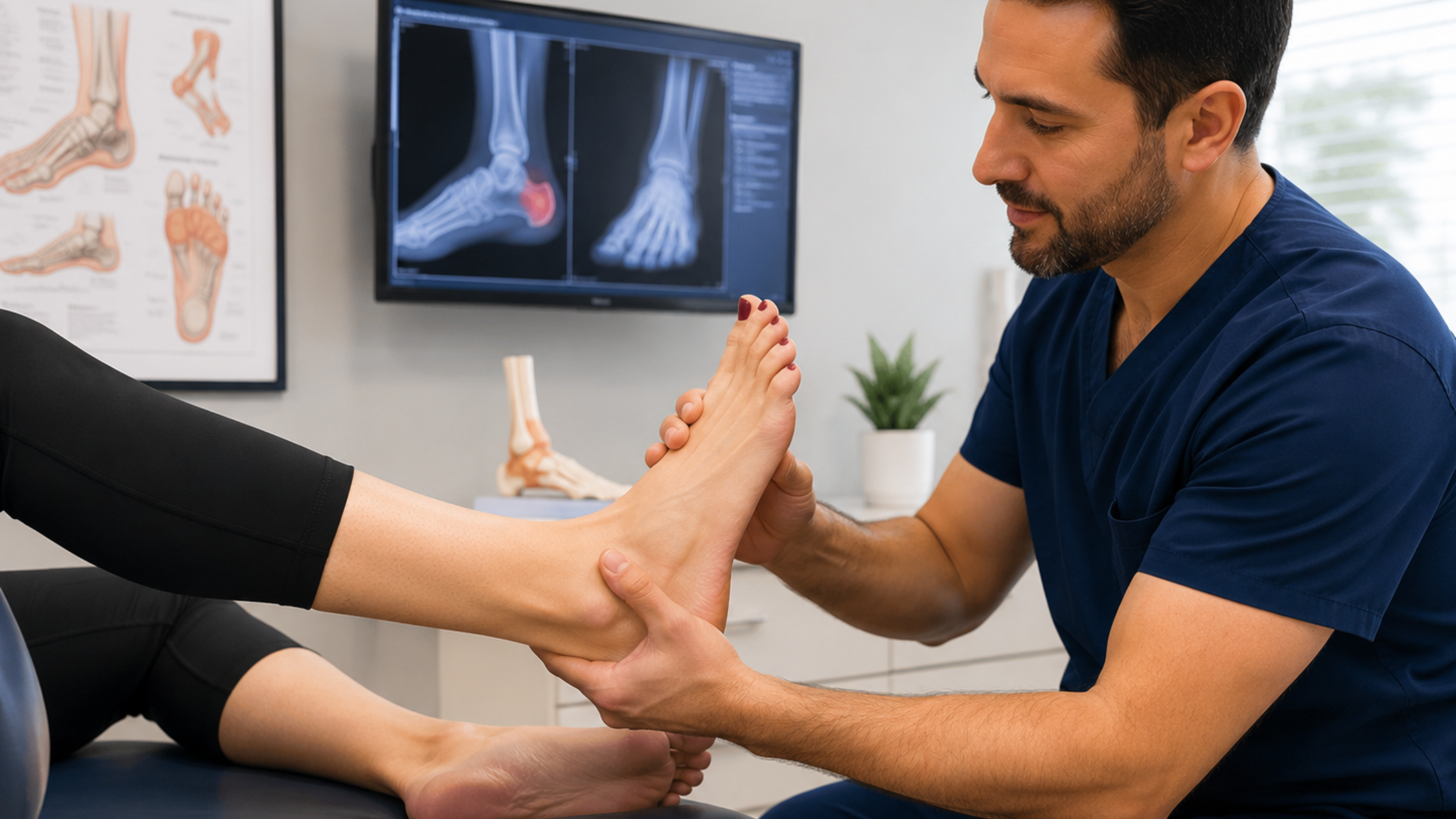
Ignoring Achilles pain can worsen the injury. Early evaluation allows your foot and ankle specialist to determine whether you’re experiencing tendonitis, a tear, or another condition and recommend the most effective treatment plan.
Early diagnosis often leads to faster recovery and reduces the risk of long-term complications.
2. Rest the Injured Tendon
One of the most important steps in recovery is allowing the tendon to heal.
Avoid activities such as:
- Running
- Jumping
- High-impact sports
- Climbing stairs excessively
- Heavy lifting that places strain on the calf muscles
Rest prevents additional damage and supports the body’s natural healing process.
3. Use Ice to Reduce Pain and Swelling
Applying an ice pack for 15–20 minutes several times a day can help reduce inflammation and relieve pain during the early stages of recovery.
Always wrap the ice pack in a towel to protect your skin.
4. Follow Your Treatment Plan
Your healthcare provider may recommend one or more treatments depending on the severity of your injury, including:
Immobilization with a walking boot or brace
Anti-inflammatory medications
Heel lifts
Custom orthotics
Physical therapy
Surgical repair for complete ruptures
Following your treatment plan consistently improves healing outcomes.
5. Commit to Physical Therapy
Physical therapy is one of the most effective ways to restore strength, flexibility, and balance after an Achilles injury.
A rehabilitation program may include:
- Gentle stretching exercises
- Range-of-motion training
- Calf strengthening
- Balance exercises
- Gait correction
Your therapist will gradually increase activity as your tendon heals.
6. Wear Supportive Footwear
Proper footwear helps reduce stress on the Achilles tendon.
Choose shoes that provide:
- Good arch support
- Cushioned heels
- Stable soles
- Proper fit
- Shock absorption
Avoid worn-out athletic shoes that no longer provide adequate support.
7. Return to Activity Gradually
Many patients feel better before the tendon has completely healed.
Returning to sports or exercise too soon can lead to re-injury or even a tendon rupture. Increase activity slowly and follow your specialist’s guidance before resuming high-impact activities.
8. Maintain a Healthy Lifestyle
Healing depends on more than rest alone.
Support recovery by:
- Eating a protein-rich diet
- Staying hydrated
- Getting enough sleep
- Maintaining a healthy weight
Avoiding smoking, which can slow tissue healing
Healthy lifestyle habits promote faster recovery and overall wellness.
9. Keep Follow-Up Appointments
Regular follow-up visits allow your specialist to monitor healing, adjust your treatment plan, and ensure you’re progressing safely.
These appointments help identify any concerns before they become larger problems and reduce the likelihood of future injuries.
When Should You See a Specialist?
Schedule an appointment if you experience:
- Persistent pain at the back of your heel
- Swelling around the Achilles tendon
- Difficulty walking
- Pain that worsens during activity
- A popping sensation in your heel
- Sudden weakness or inability to stand on your toes
Prompt medical care can make a significant difference in your recovery.
Final Thoughts
Recovering from an Achilles injury takes patience, consistency, and expert care. By following these nine tips – seeking early treatment, resting the tendon, committing to rehabilitation, wearing supportive footwear, and following your specialist’s recommendations – you can improve your recovery and reduce the risk of future injuries.
If you’re experiencing Achilles pain or suspect a tendon injury, the team at Epic Foot & Ankle is here to provide personalized treatment and guide you every step of the way toward recovery.
Explore our services: https://epicfootandankle.com/services/
FAQs
1. How long does it take to recover from an Achilles injury?
Recovery depends on the severity of the injury. Mild Achilles tendonitis may improve within a few weeks with proper treatment, while a complete Achilles tendon rupture can take several months to recover fully. Your foot and ankle specialist will create a treatment plan based on your condition.
2. Should I continue walking with an Achilles injury?
If you experience significant pain, swelling, or difficulty walking, it’s best to avoid activities that put additional strain on the tendon. Seek medical evaluation to prevent worsening the injury.
3. Is physical therapy necessary for Achilles recovery?
Yes. Physical therapy plays an important role in restoring flexibility, strength, balance, and mobility. A structured rehabilitation program can also help reduce the risk of re-injury.
4. What are the early signs of an Achilles tendon injury?
Common symptoms include pain at the back of the heel, stiffness in the morning, swelling around the tendon, tenderness, and discomfort during walking, running, or climbing stairs.
5. When should I see a foot and ankle specialist?
You should schedule an appointment if Achilles pain lasts more than a few days, worsens with activity, limits your mobility, or is accompanied by a popping sensation, sudden weakness, or inability to bear weight.