
Bunions Treatment in Sugar Land for Long-Term Pain Relief
Bunions are a common foot condition that can cause significant discomfort, mobility issues, and difficulty wearing shoes comfortably. Over time, untreated bunions may worsen and interfere with daily activities, making proper treatment essential for long-term relief and improved quality of life.
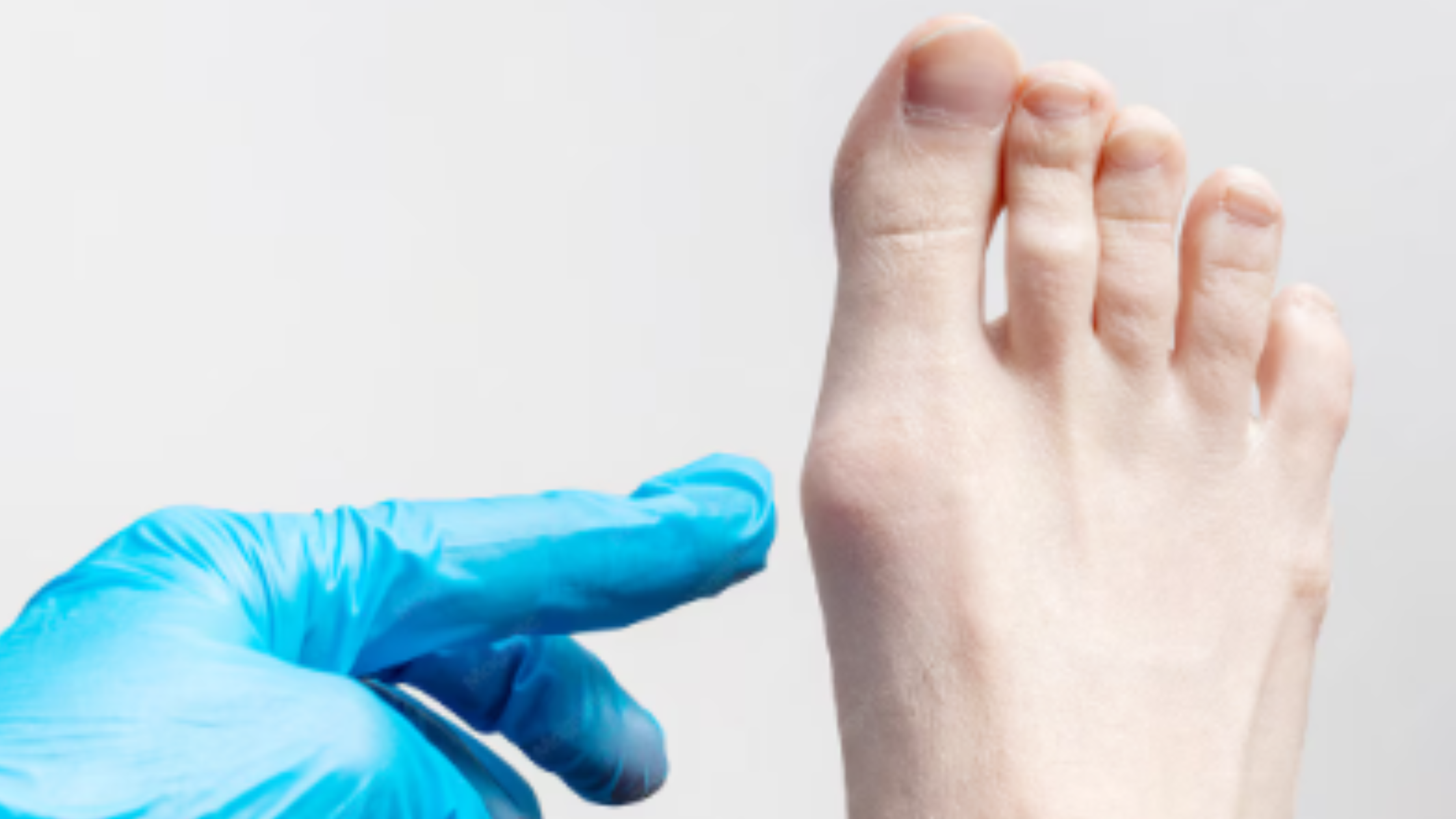
A bunion develops when the joint at the base of the big toe becomes misaligned, causing the toe to shift inward and create a bony bump on the side of the foot. While bunions often begin gradually, they can become increasingly painful if not properly managed.
What Causes Bunions?
Bunions can develop due to multiple factors affecting foot structure and joint alignment.
Common Causes Include:
* Genetic foot structure
* Flat feet
* Arthritis
* Improper footwear
* High heels or narrow shoes
* Repetitive stress on the feet
Certain occupations or activities that place pressure on the feet may also contribute to bunion development over time.
Common Symptoms of Bunions
Bunion symptoms often worsen gradually if left untreated.
Signs of Bunions Include:
* A visible bump near the big toe joint
* Swelling and redness
* Pain while walking
* Toe stiffness
* Difficulty wearing shoes
* Corns or calluses between toes
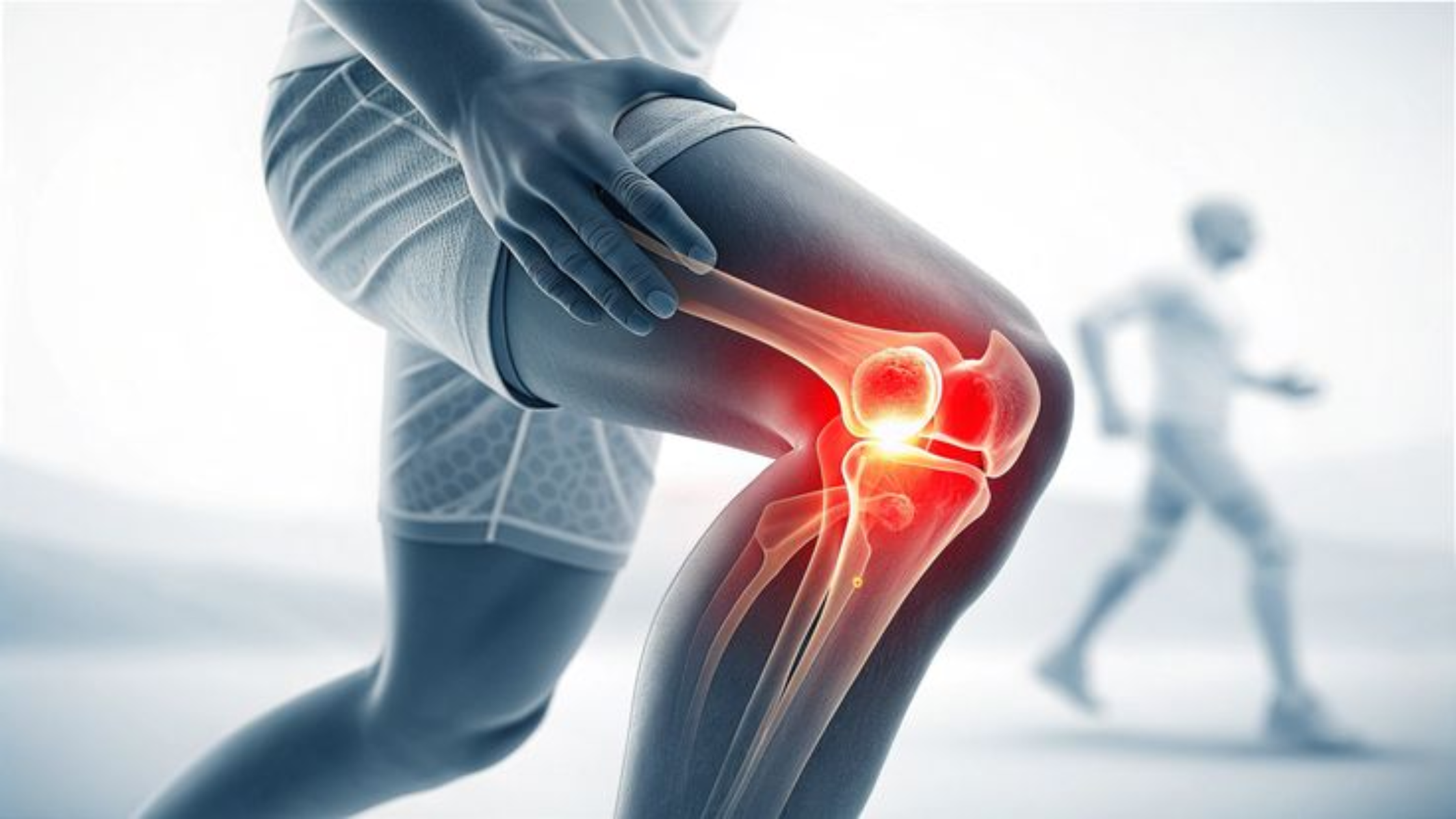
In severe cases, bunions may affect walking patterns and lead to discomfort in the knees, hips, or lower back.
Why Early Bunion Treatment Matters
Early treatment can help:
1. Slow bunion progression
2. Reduce inflammation
3. Improve walking comfort
4. Prevent joint stiffness
5. Minimize long-term complications
Seeking treatment at the first sign of discomfort often improves long-term outcomes and may help avoid more extensive procedures later.
Explore us: https://epicfootandankle.com/our-services/
Non-Surgical Bunion Treatment Options
Many patients experience relief through conservative bunion treatment methods.
1. Proper Footwear Recommendations
Wearing supportive shoes is one of the simplest ways to reduce bunion discomfort.
Recommended Shoe Features:
a. Wide toe boxes
b. Soft materials
c. Low heels
d. Good arch support
Avoiding tight or narrow footwear helps reduce pressure on the bunion joint and improve daily comfort.
2. Custom Orthotics and Shoe Inserts
Custom orthotics help improve foot alignment and distribute pressure more evenly across the feet.
Benefits of Orthotics:
* Reduced joint stress
* Improved walking mechanics
* Better arch support
* Increased comfort
Orthotic devices are commonly recommended to help manage bunion-related pain and support long-term foot health.
3. Padding and Toe Separators
Protective pads and toe spacers help minimize friction between the bunion and footwear.
Common Support Devices Include:
* Gel bunion cushions
* Toe separators
* Night splints
* Protective padding
These solutions can reduce irritation and improve comfort during everyday activities.
4. Physical Therapy and Foot Exercises
Physical therapy may help improve flexibility, strengthen foot muscles, and reduce discomfort.
Exercises May Include:
* Toe stretches
* Calf stretches
* Toe curls
* Balance exercises
Strengthening and stretching exercises can help improve joint mobility and overall foot function.
5. Anti-Inflammatory Treatments
Pain and swelling can often be managed with conservative therapies such as:
* Ice therapy
* Rest
* Anti-inflammatory medications
* Activity modification
In some cases, corticosteroid injections may be recommended for severe inflammation.
Types of Bunion Surgery
Depending on the severity of the condition, procedures may include:
* Bunionectomy
* Osteotomy (bone realignment)
* Joint fusion procedures
* Minimally invasive bunion correction
Final Thoughts
Bunions can significantly impact comfort, mobility, and daily activities if left untreated. Fortunately, patients seeking bunion treatment in Sugar Land have access to a wide range of effective solutions designed to provide long-term pain relief and improved foot function.
Know more: https://epicfootandankle.com/bunions-begone-how-to-fix-bunion-pain-without-compromising-comfort/
FAQs
1. Can bunions go away without treatment?
No, bunions do not disappear on their own, but early treatment can help reduce symptoms and slow progression.
2. When should I seek treatment for a bunion?
You should seek treatment if you experience pain, swelling, difficulty walking, or problems wearing shoes comfortably.
3. Are all bunions treated with surgery?
No, many bunions can be managed with non-surgical treatments such as orthotics, footwear changes, and physical therapy.
4. How long does bunion surgery recovery take?
Recovery time varies depending on the procedure and severity of the bunion, but healing may take several weeks to months.
5. What shoes are best for bunions?
Shoes with wide toe boxes, proper arch support, and low heels are generally recommended for bunion comfort.