
Best Bunions Treatment in Sugar Land for Lasting Foot Pain Relief
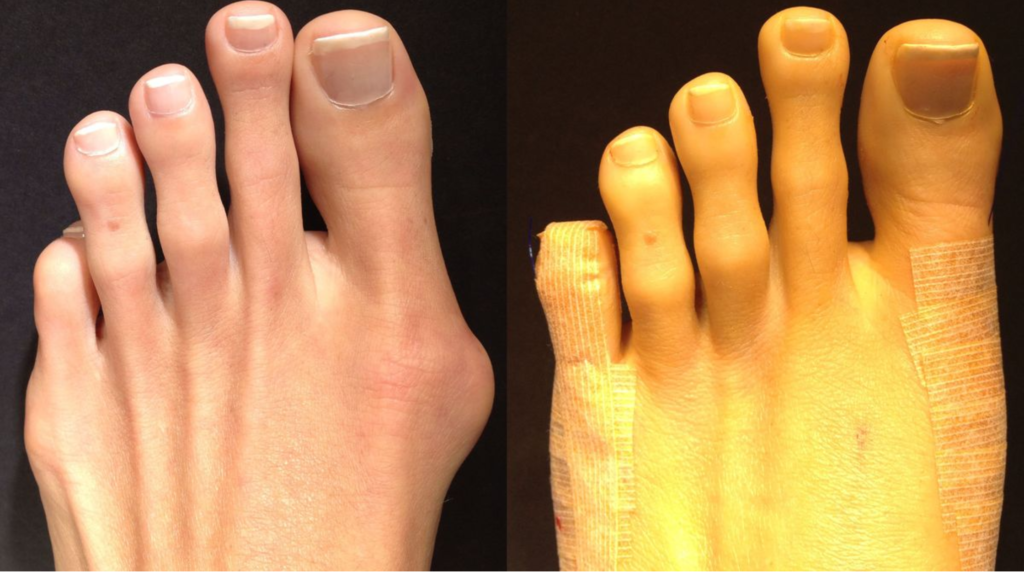
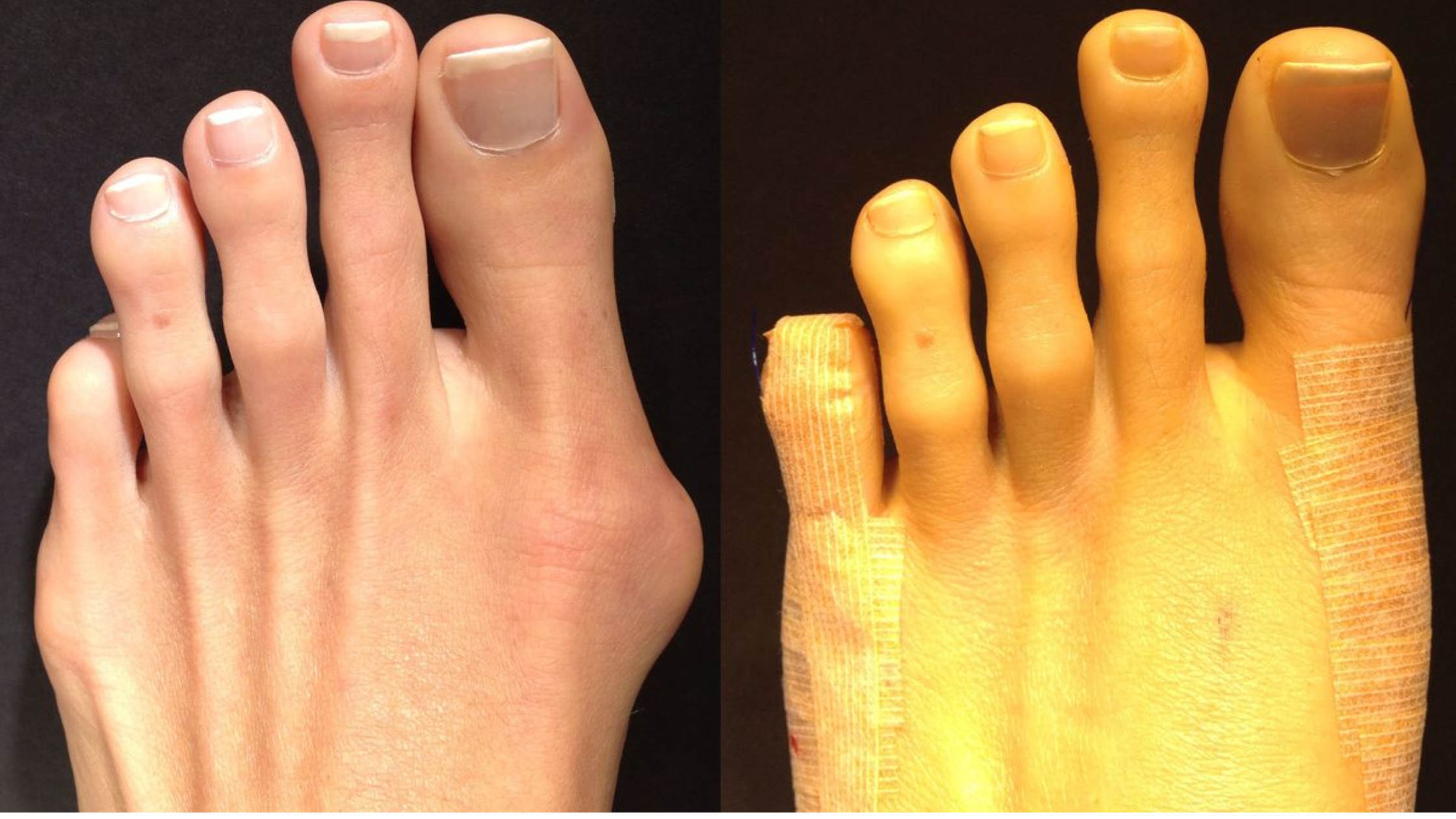
Bunions are one of the most common foot conditions affecting people of all ages. A bunion develops when the joint at the base of the big toe becomes misaligned, causing the toe to shift inward and create a painful bony bump on the side of the foot. Over time, bunions can lead to chronic pain, swelling, difficulty walking, and problems wearing regular shoes.
What Causes Bunions?
Bunions develop gradually and may be caused by multiple factors, including:
Genetic foot structure
Flat feet
Arthritis
Improper footwear
High heels or narrow shoes
Repetitive stress on the feet
According to foot specialists, tight shoes and abnormal foot mechanics are among the most common contributing factors
Common Symptoms of Bunions
Bunion symptoms often become more noticeable over time.
Common Signs Include:
A visible bump near the big toe joint
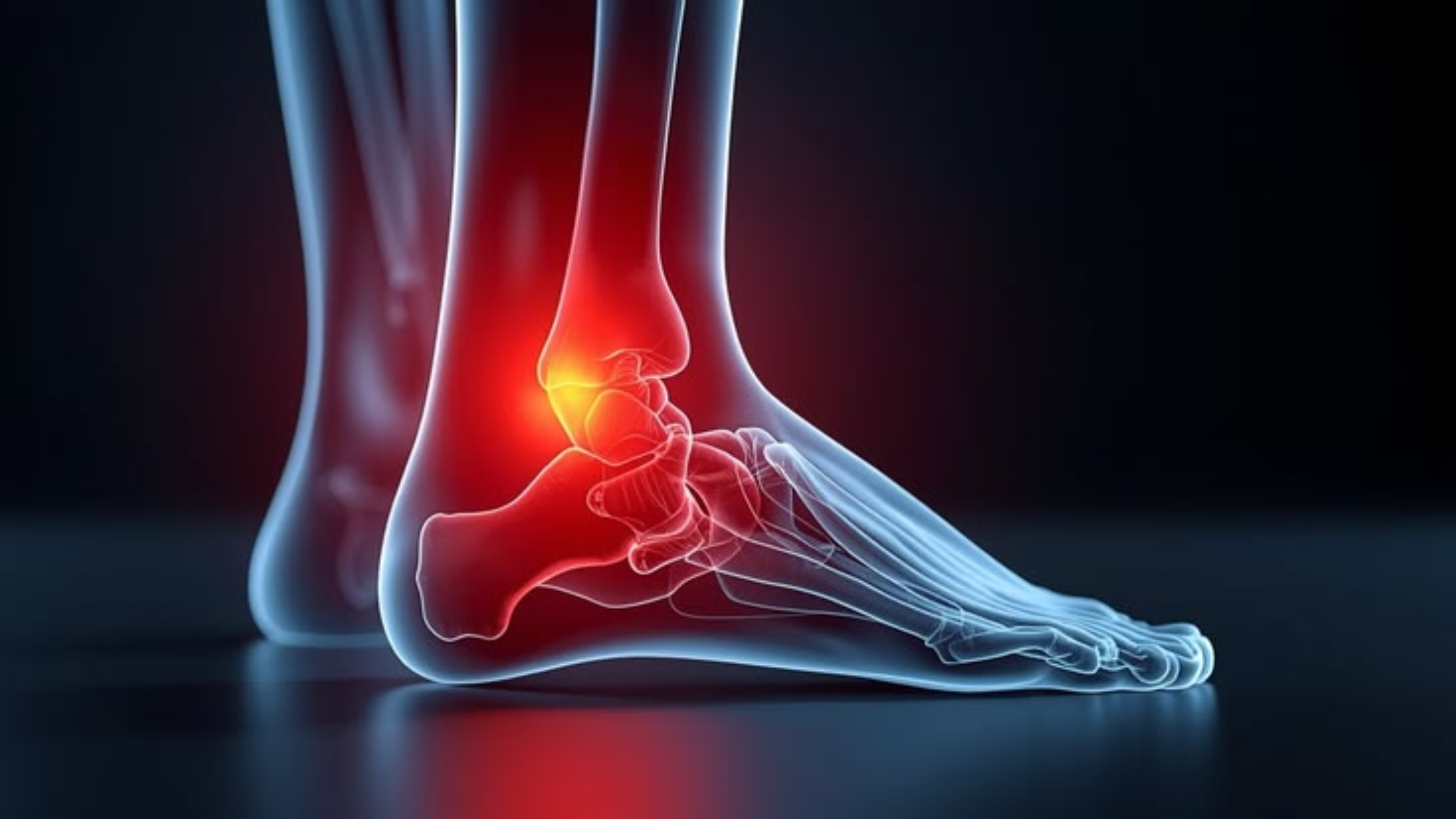
Swelling and redness
Pain while walking
Stiffness in the big toe
Difficulty wearing shoes comfortably
Corns or calluses between toes
If left untreated, bunions may affect walking patterns and lead to additional joint pain in the knees, hips, or lower back.
1. Footwear Modifications
One of the first and most effective ways to manage bunion pain is wearing properly fitted shoes.
Recommended Footwear Features:
Wide toe boxes
Low heels
Good arch support
Soft and flexible materials
Podiatrists often recommend avoiding narrow or high-heeled shoes because they increase pressure on the toe joint.
Changing footwear early can help reduce irritation and slow bunion progression.
2. Custom Orthotics and Shoe Inserts
Orthotics are specially designed inserts that improve foot alignment and reduce pressure on the bunion.
Benefits of Orthotics:
Better weight distribution
Reduced joint stress
Improved walking mechanics
Enhanced arch support
Custom orthotics may help relieve pain and prevent worsening of the deformity.
Many podiatrists in Sugar Land recommend orthotics as part of conservative bunion treatment plans.
3. Padding and Toe Support Devices
Physical therapy can improve flexibility, strengthen foot muscles, and reduce inflammation.
Common Exercises Include:
Toe stretches
Calf stretches
Toe curls
Balance exercises
Some clinics also use ultrasound therapy to reduce pain and inflammation associated with bunions.
5. Anti-Inflammatory Medications and Ice Therapy
For painful or inflamed bunions, conservative pain management techniques can provide temporary relief.
Common Treatments Include:
NSAIDs (anti-inflammatory medications)
Ice packs
Rest and activity modification
Cortisone injections in severe cases
Ice therapy may help reduce swelling when applied several times daily.
These treatments are typically recommended for mild to moderate bunion symptoms.
6. Minimally Invasive Bunion Surgery
When conservative treatments no longer provide relief, bunion surgery may become necessary.
Modern surgical techniques are more advanced and less invasive than older procedures.
Goals of Bunion Surgery:
Remove the bony bump
Realign the toe joint
Reduce pain
Restore foot function
Depending on the severity of the bunion, procedures may include:
Simple bunionectomy
Osteotomy (bone realignment)
Joint correction surgery
Advanced surgical procedures can improve mobility and long-term comfort.
https://epicfootandankle.com/bunions-begone-how-to-fix-bunion-pain-without-compromising-comfort/
FAQ
1. Can bunions be treated without surgery?
Yes, many mild to moderate bunions can be managed with orthotics, supportive footwear, padding, medications, and physical therapy.
2. When is bunions treatment necessary?
Surgery is usually recommended when pain becomes severe, walking is difficult, or conservative treatments no longer provide relief.
3. Are bunions permanent?
Bunions do not disappear on their own, but treatment can reduce symptoms and slow progression.
4. How long is recovery after bunion treatment?
Recovery varies depending on the procedure, but many patients require several weeks for healing and rehabilitation.
5. What shoes are best for bunions?
Shoes with wide toe boxes, soft materials, and proper arch support are generally recommended for bunion relief.
Conclusion
Bunions can significantly affect mobility, comfort, and overall quality of life if left untreated. Fortunately, patients in Sugar Land have access to a wide range of effective treatment options, from conservative care and orthotics to advanced surgical correction.