
Foot and Ankle Sports Injuries: Treatment Options in Sugar Land
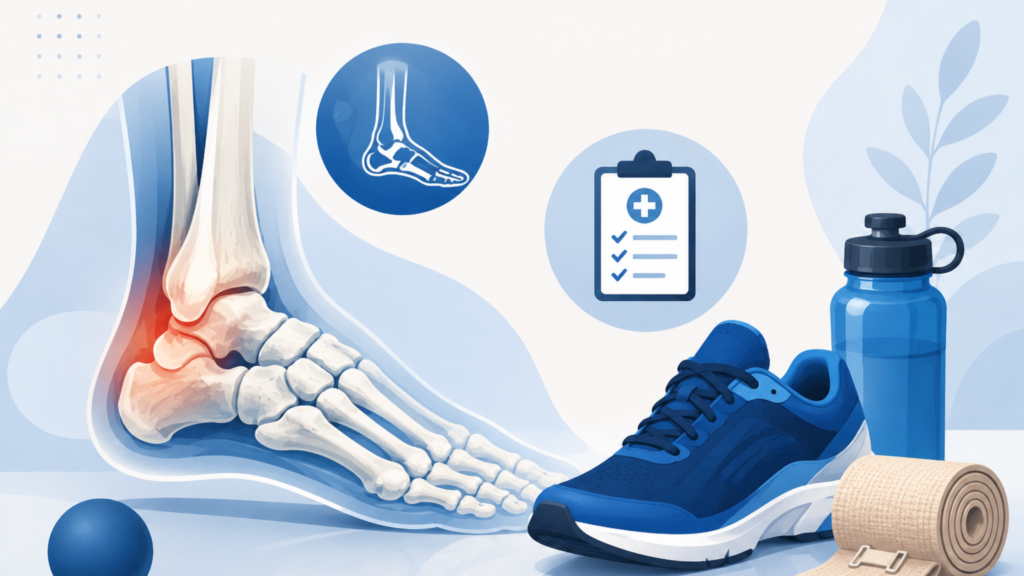
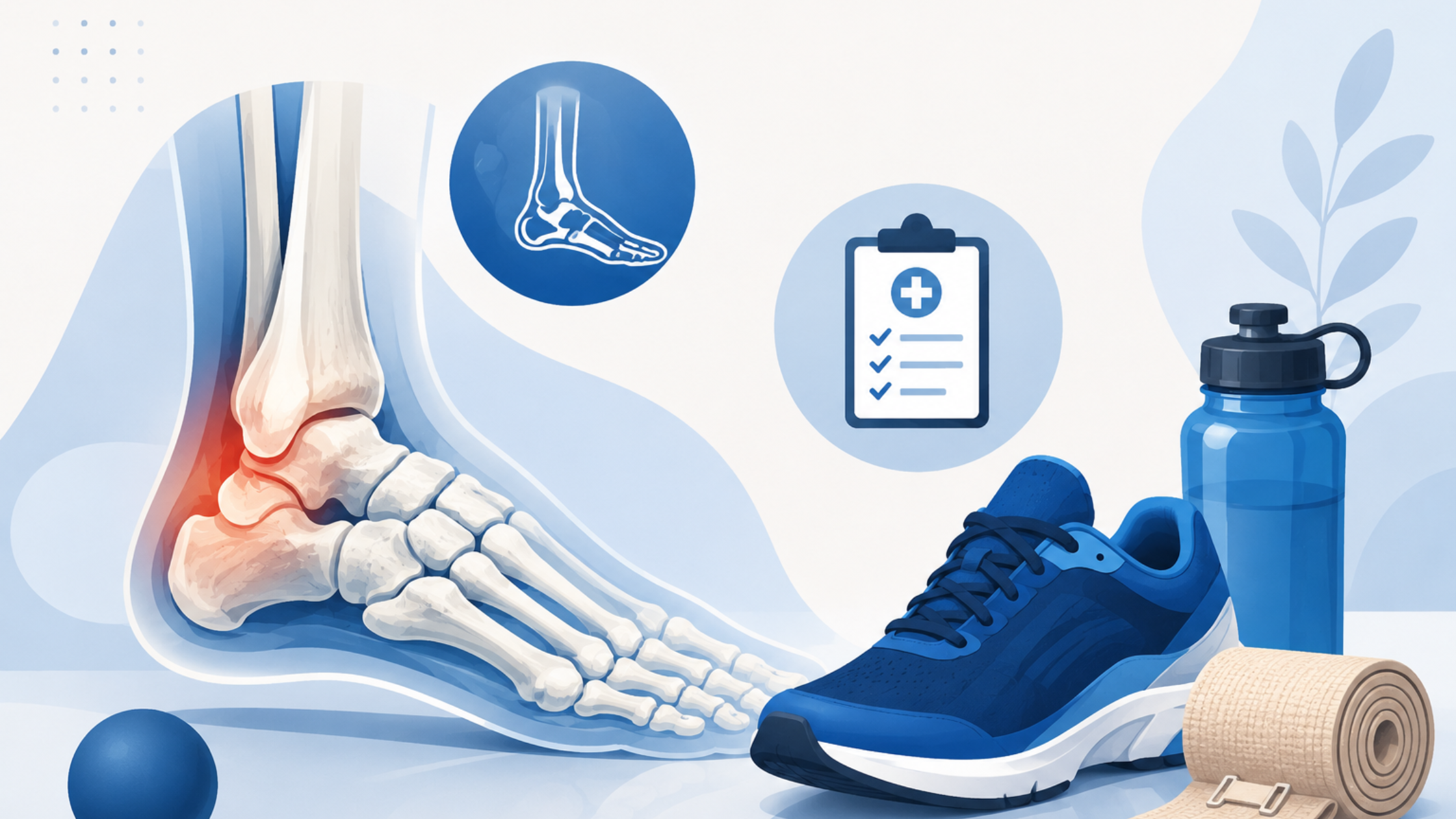
Staying active is an important part of a healthy lifestyle, but sports and physical activities can also place significant stress on the feet and ankles. Running, jumping, sudden changes in direction, and repetitive movements can all increase the risk of injury.
For athletes and active individuals searching for sports injuries Sugar Land care, understanding common injuries and available treatment options can help you know when professional evaluation may be necessary.
Epic Foot & Ankle provides specialized sports medicine services focused on diagnosing and treating foot and ankle injuries so patients can work toward a safe return to their activities.
What Are Common Foot and Ankle Sports Injuries?
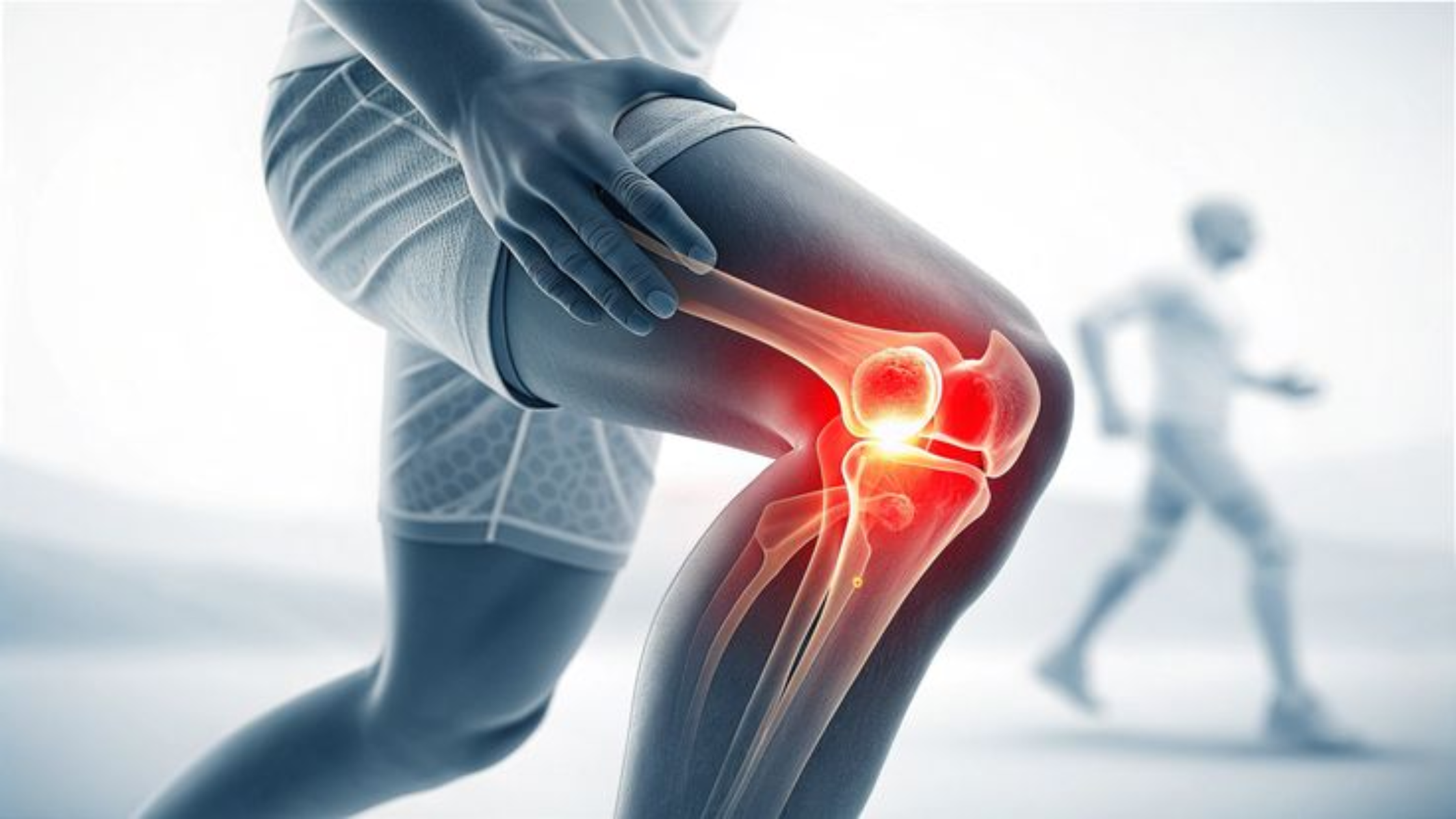
Sports injuries can affect bones, joints, muscles, tendons, and ligaments. Some injuries develop suddenly, while others occur gradually because of repetitive stress or overuse.
Common foot and ankle sports injuries include:
- Ankle sprains
- Achilles tendon injuries
- Stress fractures
- Ligament injuries
- Tendonitis
- Muscle strains
- Plantar fasciitis
- Foot fractures
- Overuse injuries
Epic Foot & Ankle’s existing sports injury content also identifies sprains, strains, fractures, and tendonitis among common sports-related foot and ankle injuries.
1. Ankle Sprains
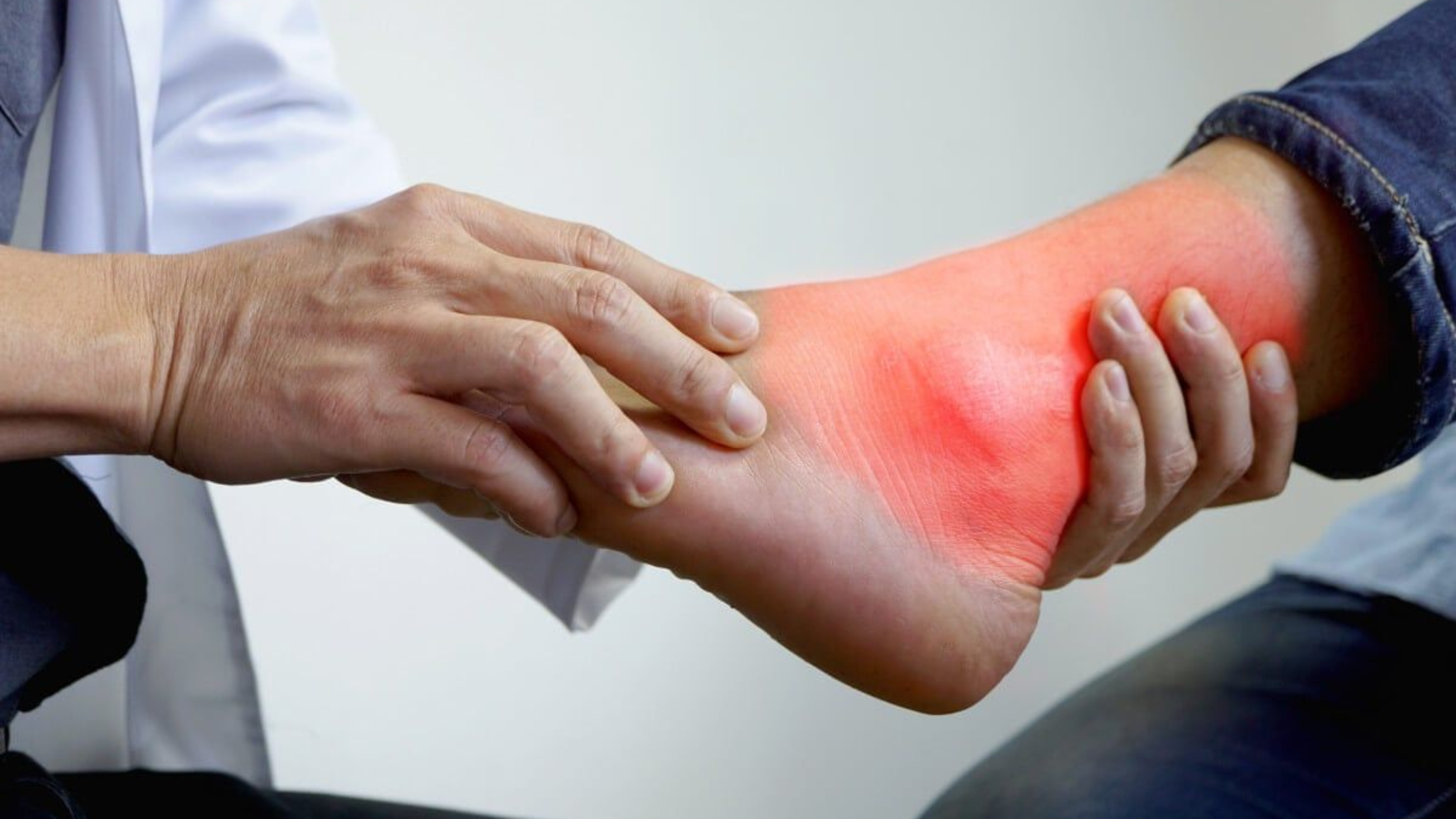
An ankle sprain occurs when the ligaments supporting the ankle are stretched or torn. It can happen when an athlete lands awkwardly, changes direction suddenly, or rolls the ankle.
Symptoms may include:
- Pain
- Swelling
- Bruising
- Tenderness
- Difficulty putting weight on the foot
- Limited ankle movement
A mild sprain may improve with conservative care, while a severe ligament injury may require additional evaluation and rehabilitation.
2. Achilles Tendon Injuries
The Achilles tendon connects the calf muscles to the heel and is particularly important for activities such as running and jumping.
Athletes may develop Achilles tendonitis because of repetitive stress or may experience a partial or complete tendon tear following a sudden forceful movement.
Symptoms can include pain at the back of the heel, swelling, stiffness, weakness, and difficulty walking. A popping sensation accompanied by sudden weakness requires prompt medical evaluation.
Epic Foot & Ankle recommends early assessment for Achilles injuries and notes that treatment can vary depending on severity, with options including immobilization, physical therapy, orthotics, and surgical repair when appropriate.
3. Stress Fractures
Stress fractures are small cracks that can develop in bones because of repeated impact and overuse.
They are more likely to occur when athletes suddenly increase training intensity, running distance, or other high-impact activities.
Common symptoms include:
- Localized pain
- Tenderness
- Swelling
- Pain that becomes worse with activity
- Discomfort when putting weight on the affected foot
Continuing high-impact activity despite these symptoms may worsen the injury, so professional assessment is important when persistent pain develops.
4. Tendonitis and Overuse Injuries
Not every sports injury occurs because of one specific accident. Repetitive activity can gradually place excessive stress on tendons and other tissues.
Running, jumping, and repetitive training may contribute to conditions affecting the Achilles tendon and other structures of the foot and ankle.
Treatment generally depends on the affected structure, severity, symptoms, and activity level.
How Are Sports Injuries Diagnosed?
An accurate diagnosis is an important first step in determining appropriate treatment.
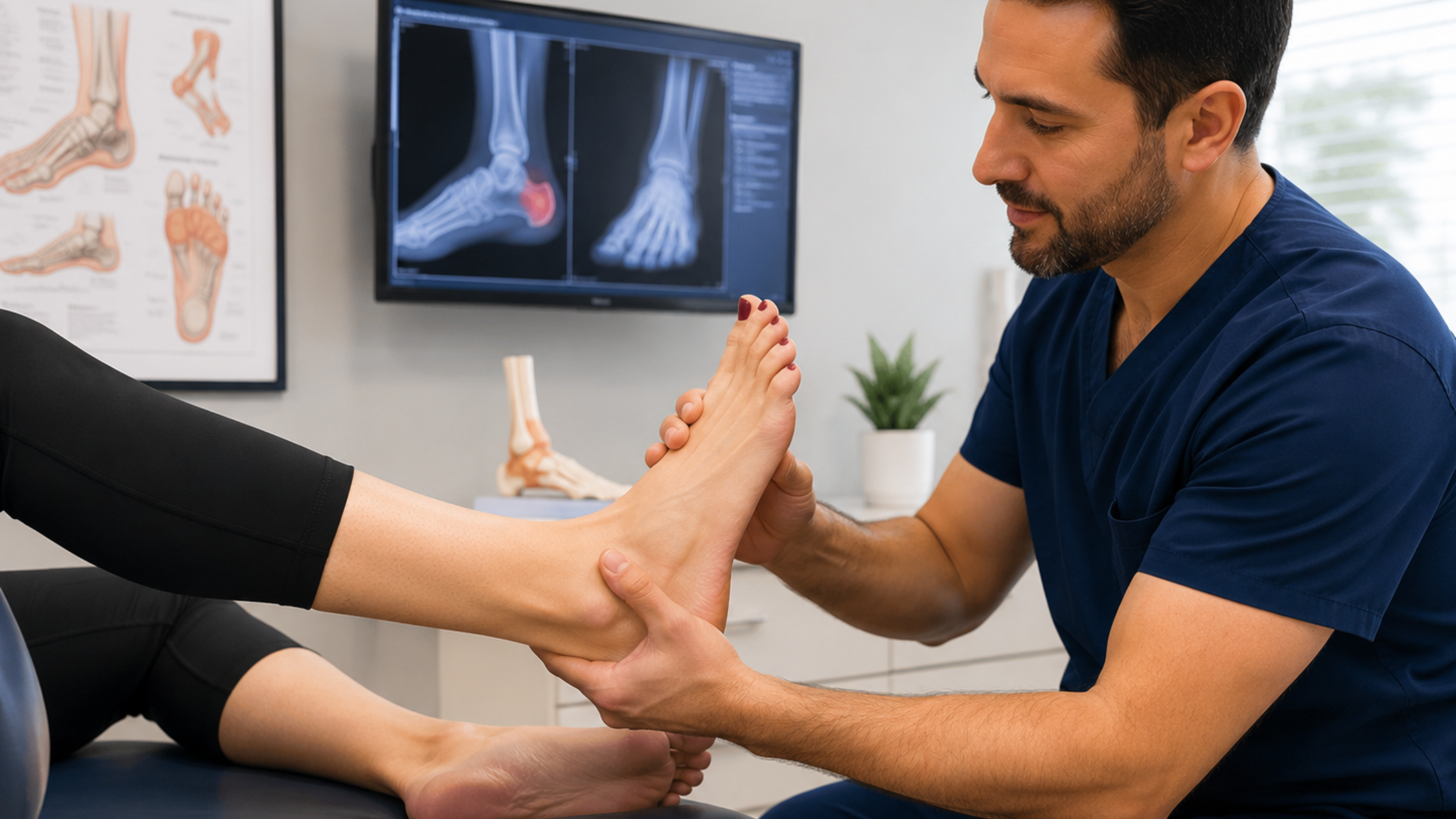
During an evaluation, a foot and ankle specialist may review your symptoms and injury history and perform a physical examination. Depending on the suspected injury, diagnostic imaging such as X-rays or other scans may be recommended.
The goal is to identify the affected structure and determine whether the injury requires conservative care, rehabilitation, or a more advanced treatment approach.
Sports Injury Treatment in Sugar Land
The appropriate sports injury treatment Sugar Land patients need depends on the type and severity of the injury.
Rest and Activity Modification
Reducing or temporarily stopping activities that cause pain can give injured tissues time to recover.
Your specialist can provide guidance on which activities should be avoided and when it may be appropriate to gradually resume them.
Physical Therapy
Physical therapy may help improve:
- Strength
- Flexibility
- Balance
- Range of motion
- Stability
- Movement patterns
Rehabilitation can be particularly important for athletes who want to return to sports safely and reduce the risk of another injury.
Supportive Footwear and Orthotics
Proper footwear can help provide stability, cushioning, and support during daily activities and exercise.
Depending on the condition, custom orthotics may also be recommended to improve foot mechanics and reduce excessive stress on certain areas of the foot and ankle.
Bracing or Immobilization
Some injuries may require a brace, boot, or other form of immobilization to protect the affected area while it heals.
The type and duration of support depend on the specific injury.
Medication and Other Conservative Treatments
Depending on the diagnosis, a specialist may recommend appropriate pain-management strategies and other conservative treatments.
Treatment should always be based on the individual’s condition rather than simply treating symptoms without determining their underlying cause.
Surgical Treatment
Some severe sports injuries may require surgery, particularly when there is significant structural damage or when conservative treatment does not provide adequate results.
Epic Foot & Ankle offers both non-surgical and surgical approaches depending on the patient’s condition. Its website specifically describes sports medicine as a service focused on quick diagnosis and treatment to help patients stay active.
When Should You See a Foot and Ankle Specialist?
Not every sports injury requires specialist treatment, but persistent or severe symptoms should not be ignored.
Consider seeking professional evaluation if you experience:
- Severe or persistent pain
- Significant swelling
- Difficulty walking or bearing weight
- Repeated ankle instability
- Pain that returns whenever you exercise
- A popping sensation during an injury
- Sudden weakness
- Pain that does not improve with rest
Early evaluation can help identify the injury and establish an appropriate recovery plan.
Why Choose Epic Foot & Ankle for Sports Injuries?
Epic Foot & Ankle specifically offers Sports Medicine as one of its specialized services and focuses on diagnosis and treatment of sports-related foot and ankle problems.
The practice also provides care for conditions such as Achilles injuries, fractures, heel pain, and other foot and ankle problems that can affect active individuals.
For patients looking for sports injuries Sugar Land care, choosing a specialist familiar with foot and ankle conditions can be an important part of getting the right diagnosis and treatment plan.
Final Thoughts
Sports can help you stay active and healthy, but foot and ankle injuries can temporarily interfere with the activities you enjoy.
Whether you experience an ankle sprain, Achilles tendon problem, stress fracture, or another overuse injury, appropriate evaluation can help determine the next step in your recovery.
If sports-related pain is persistent, worsening, or affecting your ability to walk or exercise, consider consulting a qualified foot and ankle specialist for an evaluation.
FAQs
1. What are the most common foot and ankle sports injuries?
Common injuries include ankle sprains, Achilles tendon injuries, stress fractures, tendonitis, ligament injuries, and other overuse conditions.
2. When should I see a specialist for a sports injury?
You should consider professional evaluation when pain is severe, persistent, associated with significant swelling or weakness, or prevents you from walking or participating in normal activities.
3. Can sports injuries be treated without surgery?
Many sports injuries can initially be managed with conservative approaches such as activity modification, physical therapy, supportive footwear, orthotics, bracing, and other appropriate treatments. The best approach depends on the specific injury.
4. How can I prevent foot and ankle sports injuries?
Proper warm-ups, gradual training progression, strength and balance exercises, appropriate footwear, and addressing pain early can help reduce injury risk.
5. How soon can I return to sports after an injury?
Recovery time varies considerably depending on the type and severity of the injury. Returning to activity should be gradual and based on recovery progress and professional guidance.