
The Most Common Reasons for Heel Pain and How to Address Them
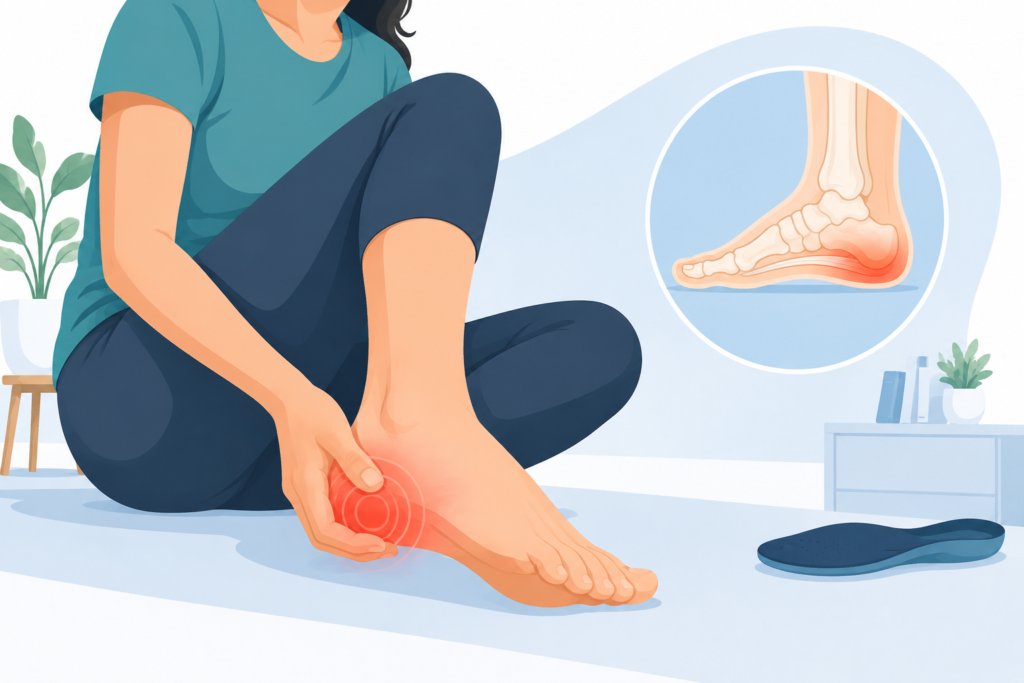
Heel pain is one of the most common foot and ankle complaints, affecting people of all ages and lifestyles. Whether you’re an athlete, a busy professional, or someone who spends long hours standing, heel pain can make everyday activities like walking, exercising, and even standing uncomfortable.
What Is Heel Pain?
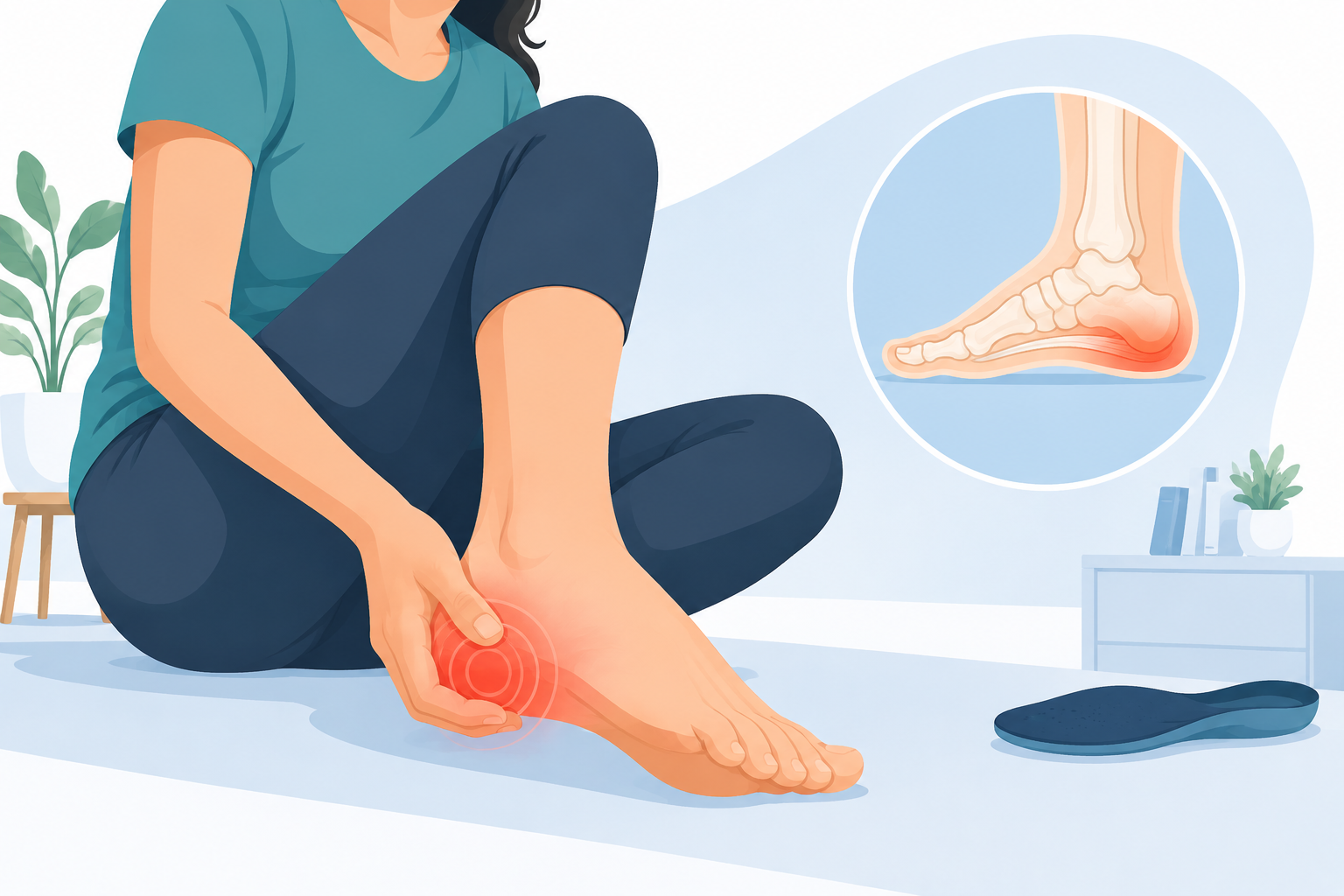
Heel pain refers to discomfort felt beneath, behind, or around the heel. The severity can range from mild soreness to sharp, debilitating pain that interferes with daily activities.
Common symptoms include:
- Sharp pain with the first steps in the morning
- Pain after prolonged sitting or rest
- Swelling around the heel
- Tenderness when touching the affected area
- Stiffness in the foot or ankle
- Pain during walking or exercise
Because the heel absorbs significant impact throughout the day, it is especially vulnerable to overuse and injury.
1. Plantar Fasciitis
Plantar fasciitis is the most common cause of heel pain. It occurs when the plantar fascia – a thick band of tissue connecting the heel bone to the toes-becomes inflamed due to repetitive stress.
Symptoms
- Stabbing pain under the heel
- Pain that is worse in the morning
- Discomfort after long periods of sitting
- Pain after physical activity
How to Address It
Treatment options may include:
- Stretching exercises
- Supportive footwear
- Custom orthotics
- Physical therapy
- Anti-inflammatory measures
Many patients experience significant improvement with conservative treatment when addressed early.
2. Achilles Tendinitis
The Achilles tendon connects your calf muscles to your heel. Overuse, sudden increases in activity, or improper footwear can lead to inflammation of this tendon. (epicfoot)
Symptoms
- Pain at the back of the heel
- Stiffness after inactivity
- Tenderness near the Achilles tendon
- Increased discomfort during exercise
How to Address It
Managing Achilles tendinitis often involves:
- Rest and activity modification
- Physical therapy
- Supportive shoes
- Gradual return to exercise
- Targeted strengthening programs
Early intervention can help prevent chronic tendon problems.
3. Heel Spurs
Heel spurs are calcium deposits that form on the underside of the heel bone. While some heel spurs don’t cause symptoms, others can contribute to persistent discomfort. (epicfoot)
Symptoms
- Chronic heel pain
- Pain while standing for extended periods
- Tenderness near the heel
How to Address It
Treatment typically focuses on reducing inflammation and addressing the underlying cause, such as plantar fasciitis. This may include orthotics, stretching, and supportive footwear.
4. Stress Fractures
Repeated impact activities, such as running or jumping, can lead to small cracks in the heel bone known as stress fractures.
Athletes and highly active individuals are at greater risk.
Symptoms
- Localized heel pain
- Swelling
- Pain that worsens with weight-bearing activities
- Tenderness over the heel
How to Address It
Stress fractures often require:
- Reduced activity
- Immobilization
- Temporary use of supportive devices
- Medical evaluation and imaging
Ignoring a stress fracture can prolong recovery.
5. Bursitis
Bursitis occurs when the fluid-filled sacs (bursae) near the heel become inflamed.
Symptoms
- Redness
- Swelling
- Dull aching pain
- Tenderness at the back of the heel
How to Address It
Common treatments include:
- Rest
- Ice therapy
- Physical therapy
- Footwear modifications
Professional evaluation can help determine the most effective treatment approach.
6. Flat Feet or High Arches
Foot structure plays an important role in how pressure is distributed across the heel.
Individuals with flat feet or unusually high arches may place excessive strain on the heel over time. (epicfoot)
How to Address It
Treatment options may include:
- Custom orthotics
- Supportive footwear
- Stretching exercises
- Gait analysis
Proper support can significantly improve comfort and reduce recurring pain.
Risk Factors for Heel Pain
You may be more likely to develop heel pain if you:
- Spend long hours standing
- Participate in high-impact sports
- Wear unsupportive footwear
- Have obesity or excess weight
- Have flat feet or high arches
- Suddenly increase physical activity
Lifestyle adjustments can often play an important role in prevention.
When Should You See a Specialist?
While mild heel pain may improve with rest, professional evaluation is recommended if:
- Pain lasts longer than two weeks
- Symptoms worsen over time
- Walking becomes difficult
- Swelling increases
- Pain interferes with work or exercise
- You experience numbness or tingling
According to the NHS, persistent or severe heel pain should be assessed by a healthcare professional to rule out more serious conditions. (nhs.uk)
Patients seeking additional information can explore Understanding Heel Pain: Symptoms, Causes, and Recovery on the Epic Foot & Ankle website for more insights into diagnosis and treatment options.
Why Choose Epic Foot & Ankle?
Epic Foot & Ankle provides comprehensive care for a variety of foot and ankle conditions, including:
- Heel pain
- Plantar fasciitis
- Achilles tendinitis
- Sports injuries
- Bunions
- Fractures
- Custom orthotics
The practice focuses on personalized treatment plans designed to help patients regain mobility and return to their daily activities comfortably.
For additional educational resources on foot health, patients may also refer to the American College of Foot and Ankle Surgeons.
Final Thoughts
Heel pain can have a significant impact on your mobility and overall quality of life, but it doesn’t have to become a long-term problem. Whether it’s caused by plantar fasciitis, Achilles tendinitis, heel spurs, or another underlying condition, early diagnosis and appropriate treatment can make a meaningful difference.
At Epic Foot & Ankle, patients receive expert evaluation and personalized care designed to address the root cause of heel pain and support long-term recovery. If you’re experiencing persistent heel discomfort, seeking professional guidance is the first step toward getting back on your feet.
Explore: Foot health information: https://www.foothealthfacts.org/
FAQs
1. What is the most common cause of heel pain?
Plantar fasciitis is the most common cause of heel pain, particularly among adults who spend significant time walking or standing.
2. Can heel pain go away on its own?
Some mild cases improve with rest and supportive footwear, but persistent symptoms should be evaluated by a foot and ankle specialist.
3. How long does heel pain take to heal?
Recovery time varies depending on the cause and severity of the condition. Some patients improve within weeks, while others may require longer treatment plans.
4. Are custom orthotics helpful?
Yes. Custom orthotics can improve foot alignment and reduce pressure on the heel, particularly for individuals with plantar fasciitis or abnormal foot mechanics.
5. When should I seek treatment?
You should seek professional care if heel pain persists, worsens, or limits your ability to perform normal daily activities.