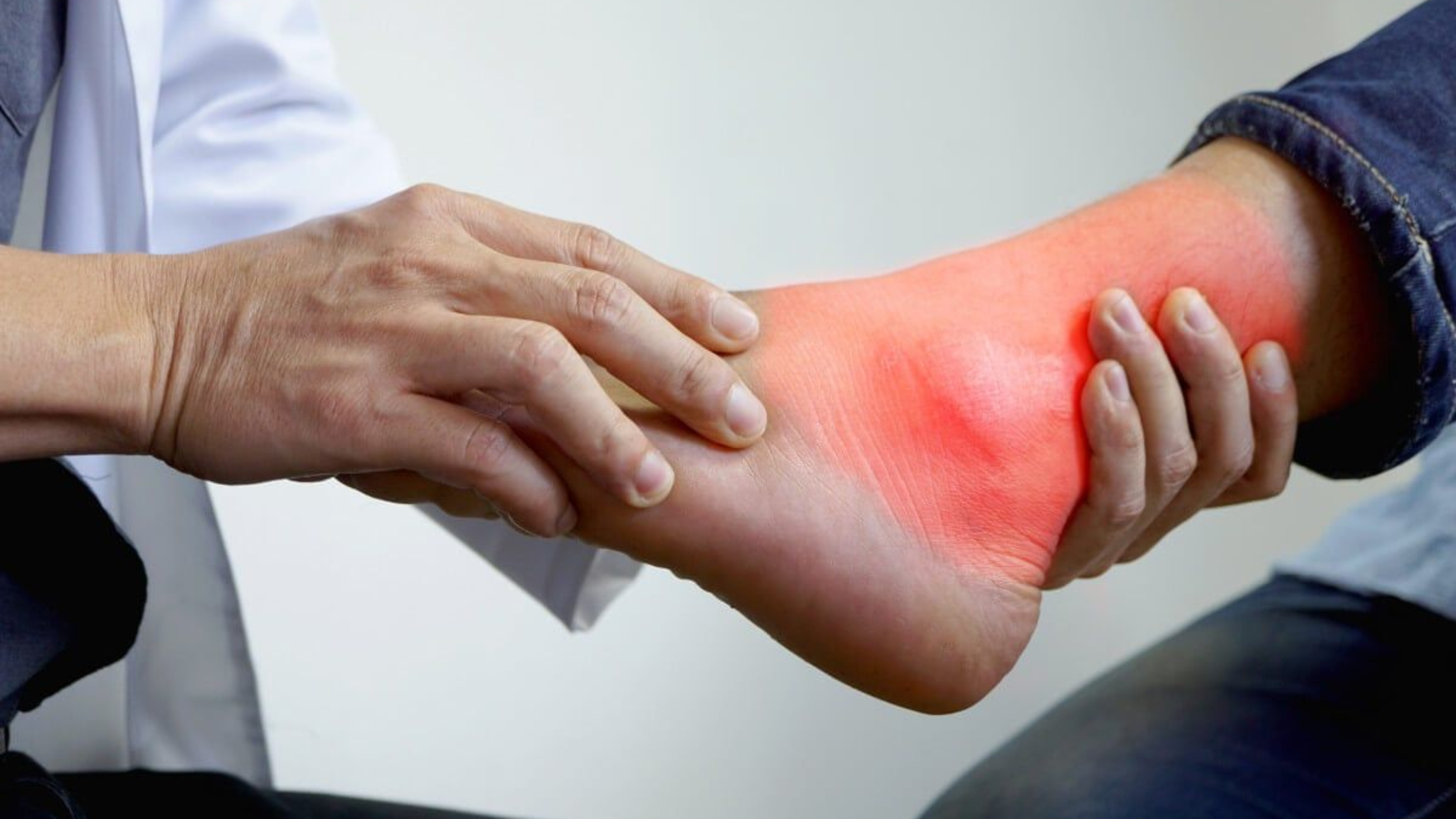

6 Ways to Prevent Bunions and Chronic Foot Pain
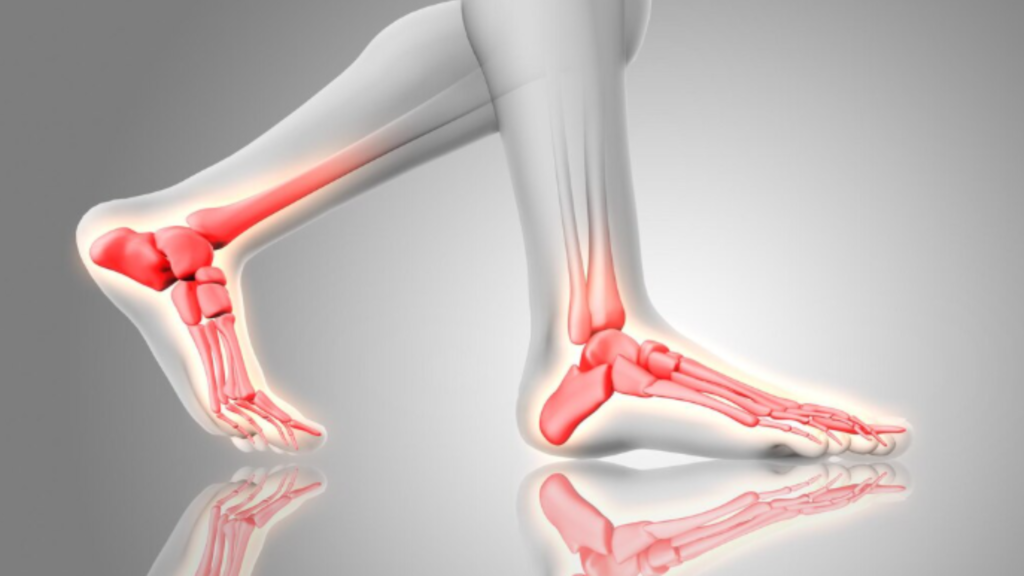
Foot pain can affect every part of your daily life – from walking and exercising to standing comfortably at work. One of the most common foot conditions people experience is bunions, a painful bony bump that forms near the base of the big toe. If left untreated, bunions can worsen over time and lead to chronic foot pain, mobility issues, and discomfort.
Fortunately, many cases of bunions and long-term foot pain can be prevented through proper foot care, supportive footwear, and healthy lifestyle habits.
At Epic Foot and Ankle, we believe prevention is the key to maintaining strong, healthy feet. Here are six effective ways to prevent bunions and chronic foot pain.
1. Wear Properly Fitted Shoes
One of the leading causes of bunions is wearing tight, narrow, or poorly fitted shoes.
Shoes that squeeze the toes together place excessive pressure on the joints and gradually force the big toe out of alignment.
Choose Shoes That Offer:
Wide toe boxes
Proper arch support
Cushioned soles
Low heels
Comfortable fit without pressure points
Avoid wearing high heels or pointed shoes for long periods, as they increase stress on the front of the foot.
Proper footwear can significantly reduce the risk of bunion formation and other foot problems.
2. Maintain a Healthy Weight
Excess body weight places additional pressure on your feet and joints. Over time, this stress can contribute to chronic foot pain and worsen existing conditions.
Maintaining a healthy weight helps:
- Reduce strain on the feet
- Improve balance and posture
- Lower inflammation in joints
- Prevent long-term mobility issues
Regular exercise and a balanced diet can support both foot health and overall wellness.
3. Use Orthotics and Supportive Insoles
Custom orthotics or supportive shoe inserts help distribute pressure evenly across the foot.
Orthotics can:
Improve foot alignment
Reduce stress on joints
Provide arch support
Relieve pressure on bunions
People with flat feet, high arches, or abnormal walking patterns may especially benefit from custom orthotic solutions.
Consulting a foot specialist can help determine the right support for your specific needs.
4. Stretch and Strengthen Your Feet
Foot exercises can improve flexibility, strengthen muscles, and reduce stiffness that contributes to chronic pain.
Helpful Foot Exercises Include:
Toe stretches
Calf stretches
Toe curls
Heel raises
Rolling the foot over a massage ball
Regular stretching improves circulation and helps maintain healthy foot movement.
Simple daily exercises can go a long way in preventing discomfort and maintaining mobility.
5. Avoid Ignoring Early Foot Pain
Many people ignore mild foot discomfort until it becomes severe.
Early signs of bunions or chronic foot issues may include:
Redness around the big toe joint
Swelling
Toe stiffness
Burning sensations
Pain while walking
Seeking early treatment can prevent conditions from worsening and reduce the need for surgery later.
At Epic Foot and Ankle, early diagnosis and personalized treatment plans help patients manage foot conditions effectively.
6. Schedule Regular Foot Checkups
Routine foot evaluations are important, especially for:
Athletes
Seniors
People with diabetes
Individuals with previous foot injuries
Regular checkups help identify:
Alignment issues
Pressure points
Early bunion development
Gait abnormalities
Professional foot care ensures long-term foot health and helps prevent chronic pain before it becomes serious.
Common Causes of Bunions and Foot Pain
Understanding what contributes to bunions can help you take preventive measures early.
Common Causes Include:
Poor footwear choices
Genetic foot structure
Arthritis
Flat feet
Repetitive stress on the feet
Standing for long periods
Lifestyle habits and proper support play a major role in foot health.
Signs You Should See a Foot Specialist
You should consult a podiatrist if you experience:
Persistent foot pain
Difficulty walking
Swelling around joints
Visible toe deformities
Pain that interferes with daily activities
Professional treatment can improve comfort and prevent complications.
Explore our services: https://epicfootandankle.com/our-services/
FAQ
1. What causes bunions?
Bunions are commonly caused by genetics, poor footwear, foot structure issues, and excessive pressure on the toe joint.
2. Can bunions go away without treatment?
Bunions do not usually disappear on their own, but early treatment and lifestyle changes can slow progression and reduce pain.
3. Are high heels bad for bunions?
Yes, high heels place extra pressure on the front of the foot and can worsen bunions over time.
4. Can orthotics help with foot pain?
Yes, custom orthotics can improve foot alignment and reduce pressure that contributes to chronic pain.
5. When should I see a podiatrist for foot pain?
You should seek medical attention if foot pain becomes persistent, affects walking, or worsens over time.
Conclusion
Healthy feet are essential for maintaining an active and comfortable lifestyle. By wearing supportive footwear, staying active, using orthotics, and seeking early treatment when needed, you can significantly reduce the risk of bunions and chronic foot pain.
Preventive foot care not only improves daily comfort but also helps avoid serious complications in the future.
If you are experiencing foot discomfort or want expert guidance on foot health, the specialists at Epic Foot and Ankle are here to help with personalized care and advanced treatment solutions.
Know more about us: https://epicfootandankle.com/about-us/