

Diabetic Foot Care: Essential Strategies to Prevent Complications
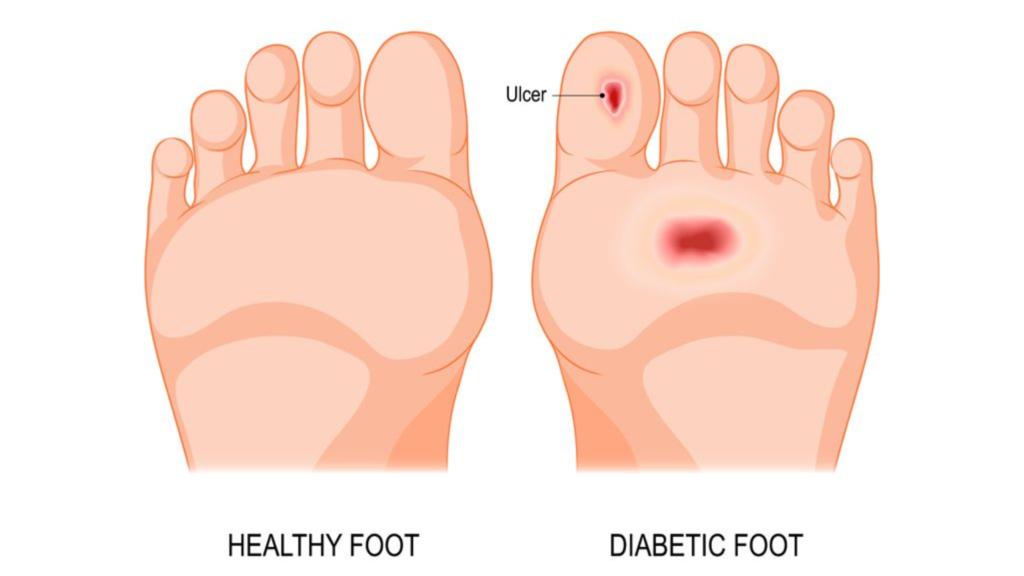
Living with diabetes requires daily attention to your health – and your feet should never be overlooked. High blood sugar levels can damage nerves and reduce circulation, increasing the risk of infections, ulcers, and serious complications.
At Epic Foot and Ankle, we emphasize proactive diabetic foot care to help patients stay active, healthy, and complication-free. Understanding preventive strategies can significantly reduce your risk of long-term foot problems.
Why Diabetic Foot Care Is So Important
Diabetes can lead to:
Peripheral neuropathy (nerve damage causing numbness or tingling)
Poor circulation, slowing wound healing
Increased risk of infections
Foot ulcers
In severe cases, amputation
Because nerve damage may reduce sensation, even a small cut or blister can go unnoticed and quickly worsen. Preventive care is the key to avoiding serious outcomes.
1. Perform Daily Foot Inspections
Check your feet every day – even if they feel fine.
Look for:
* Cuts or cracks
* Blisters
* Redness or swelling
* Drainage
* Changes in skin color
* Ingrown toenails
Use a mirror or ask for help if needed to examine the bottoms of your feet. Early detection can prevent minor issues from becoming major complications.
2. Keep Feet Clean and Moisturized
Good hygiene reduces infection risk.
✔️ Wash your feet daily with lukewarm water
✔️ Dry thoroughly, especially between toes
✔️ Apply moisturizer to prevent cracking (avoid between toes)
Never soak your feet for long periods, as this can dry out the skin.
3. Trim Toenails Carefully
Cut nails straight across and file edges gently. Avoid cutting them too short, which may lead to ingrown toenails.
If you have thickened nails, vision issues, or difficulty reaching your feet, professional nail care from a podiatrist is safer.
4. Wear Proper Footwear
Shoes play a major role in preventing diabetic foot complications.
Choose:
* Well-fitting shoes with a wide toe box
* Soft interiors without seams
* Supportive soles
* Clean, dry socks (preferably moisture-wicking)
Avoid:
* Walking barefoot
* Tight shoes
* High heels
* Flip-flops
Custom diabetic shoes or orthotics may be recommended to reduce pressure points.
5. Control Blood Sugar Levels
aintaining stable blood glucose levels is essential for nerve and circulation health. Work closely with your healthcare provider to:
* Follow your prescribed medication plan
* Maintain a balanced diet
* Exercise regularly
* Monitor blood sugar levels consistently
Good diabetes management directly supports foot health.
6. Improve Circulation
Healthy blood flow promotes healing.
To improve circulation:
* Elevate your feet when sitting
* Avoid crossing your legs for long periods
* Stay physically active
* Avoid smoking
Even light daily walking can improve vascular health.
7. Schedule Regular Podiatry Visits
Routine foot exams allow early detection of potential problems. A podiatrist can:
* Identify pressure points
* Treat calluses safely
* Address nail conditions
* Monitor nerve function
* Provide preventive education
At Epic Foot and Ankle, comprehensive diabetic foot evaluations help patients reduce risks and maintain long-term mobility.
Warning Signs That Require Immediate Attention
Seek professional care if you notice:
* Open sores or ulcers
* Swelling or redness that spreads
* Drainage or foul odor
* Blackened skin
* Sudden increase in foot pain
Conclusion
Protect Your Feet, Protect Your Health
Diabetic foot complications are largely preventable with proper care, regular monitoring, and professional support. Small daily habits can make a life-changing difference.
If you have diabetes and want expert guidance on protecting your feet, schedule an appointment with Epic Foot and Ankle today. Early prevention is the best strategy for keeping your feet healthy and strong for years to come.




22 thoughts on “Diabetic Foot Care: Essential Strategies to Prevent Complications”
Thanks for sharing your thoughts about technology
news powered by blogger. Regards
I was able to find good info from your blog posts.
Pretty nice post. I just stumbled upon your blog and wanted to say that I have
really enjoyed browsing your blog posts. In any case I’ll be subscribing to
your rss feed and I hope you write again soon!
Excellent way of telling, and pleasant piece of writing to obtain facts regarding my presentation subject,
which i am going to convey in school.
Hi there! This is my first visit to your blog! We are a team of volunteers and
starting a new project in a community in the same niche.
Your blog provided us valuable information to work on. You
have done a marvellous job!
Ahaa, its nice discussion about this post at this place at
this blog, I have read all that, so at this time
me also commenting at this place.
I’ve been browsing online more than 2 hours today, yet I never found any interesting article
like yours. It is pretty worth enough for me. Personally, if all site owners and bloggers made good content as you did, the
net will be much more useful than ever before.
An intriguing discussion is definitely worth comment.
I think that you ought to publish more on this subject, it might not be a taboo
matter but generally people don’t talk about these topics.
To the next! Many thanks!!
I think this is among the most vital information for
me. And i am glad reading your article. But want to remark on few general things, The website style is ideal, the articles is really
nice : D. Good job, cheers
Very nice article, exactly what I wanted to
find.
Hello to all, the contents present at this website are truly awesome for people experience, well,
keep up the nice work fellows.
Hey there! I know this is somewhat off-topic but I had to ask.
Does running a well-established website like yours take a massive amount work?
I am brand new to blogging however I do write in my diary daily.
I’d like to start a blog so I can easily share
my experience and feelings online. Please let me know if you
have any kind of suggestions or tips for new aspiring blog owners.
Appreciate it!
My developer is trying to persuade me to move to .net from PHP.
I have always disliked the idea because of the expenses.
But he’s tryiong none the less. I’ve been using WordPress on various websites for about a year and am nervous about switching to another platform.
I have heard very good things about blogengine.net.
Is there a way I can import all my wordpress content into it?
Any help would be really appreciated!
After checking out a handful of the blog articles on your web page, I honestly like your way of writing a blog.
I saved as a favorite it to my bookmark site list and will be checking back in the
near future. Please visit my website too and tell me what you think.
Hola! I’ve been reading your website for some time now and
finally got the courage to go ahead and give you a shout out from Kingwood Tx!
Just wanted to mention keep up the excellent work!
Thanks for sharing this article. https://docs-demo.net/best-offer-397
You made some decent points there. I looked on the internet for
additional information about the issue and found most individuals will go
along with your views on this site.
Hello! Would you mind if I share your blog with my twitter group?
There’s a lot of folks that I think would really enjoy your content.
Please let me know. Thank you
This is a topic that’s near to my heart… Cheers! Where are your contact details though?
Heya i’m for the first time here. I came across
this board and I find It really helpful & it helped
me out much. I’m hoping to provide something again and aid others such
as you aided me.
Fantastic items from you, man. I have take note
your stuff prior to and you’re simply extremely excellent.
I really like what you have obtained here, certainly like what you are stating and the way in which by
which you say it. You make it entertaining and you still take care of to stay it smart.
I can’t wait to learn much more from you. This
is actually a tremendous website.
Wow, awesome weblog layout! How lengthy have you ever been running a blog for?
you make running a blog glance easy. The overall glance of your website is magnificent, let alone
the content!