
Choosing the Right Shoes: A Podiatrist’s Tips for Foot Comfort All Day

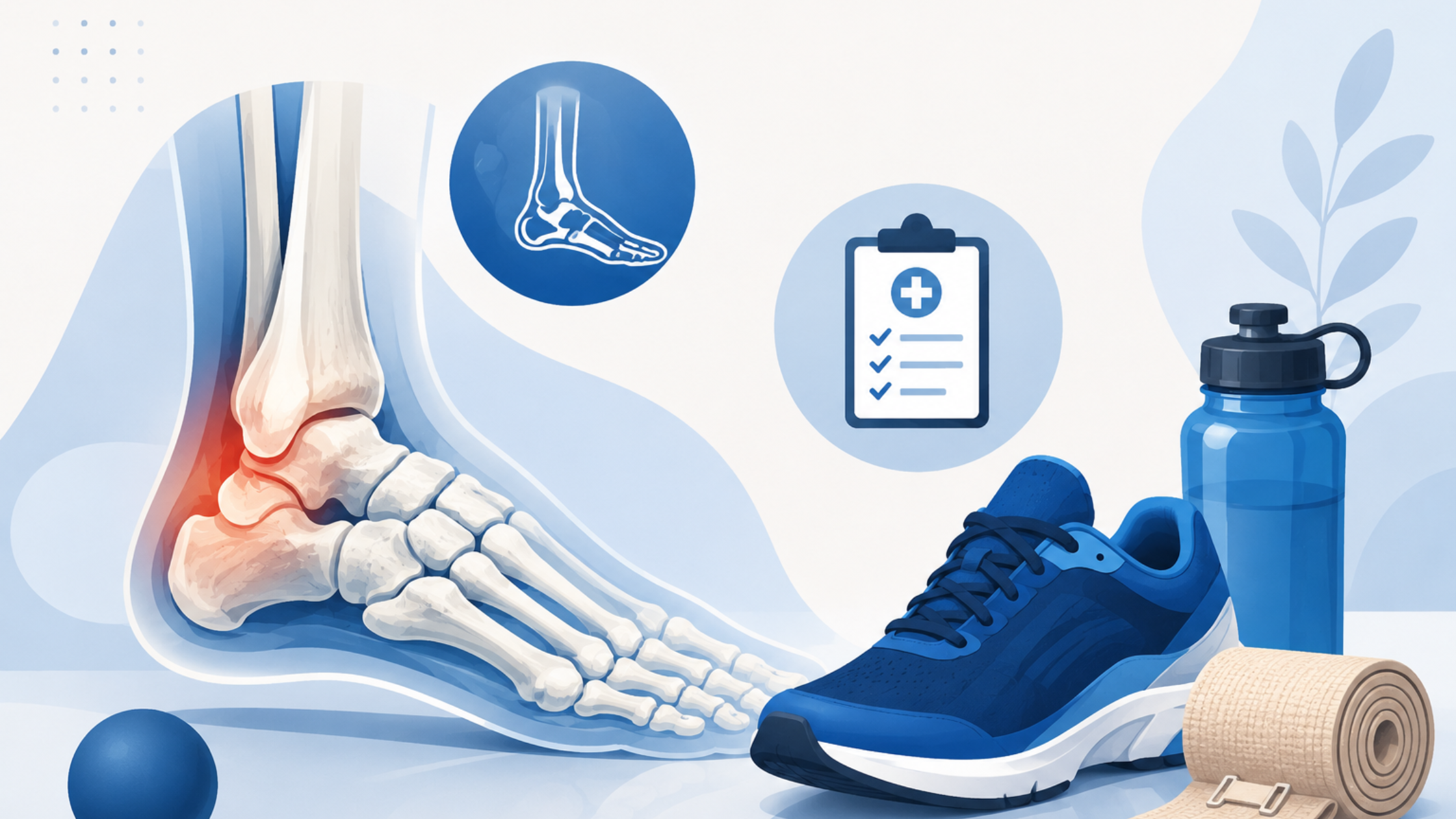
When it comes to foot health, the shoes you wear matter more than you think. The wrong pair can lead to heel pain, arch strain, bunions, and even long-term joint problems. At Epic Foot and Ankle, we regularly treat patients whose foot pain could have been prevented simply by choosing the right footwear.
If you’re looking for all-day foot comfort, here are expert podiatrist tips to help you make the right choice.
Why Choosing the Right Shoes Is Important
Your feet carry your entire body weight. Poor footwear can cause:
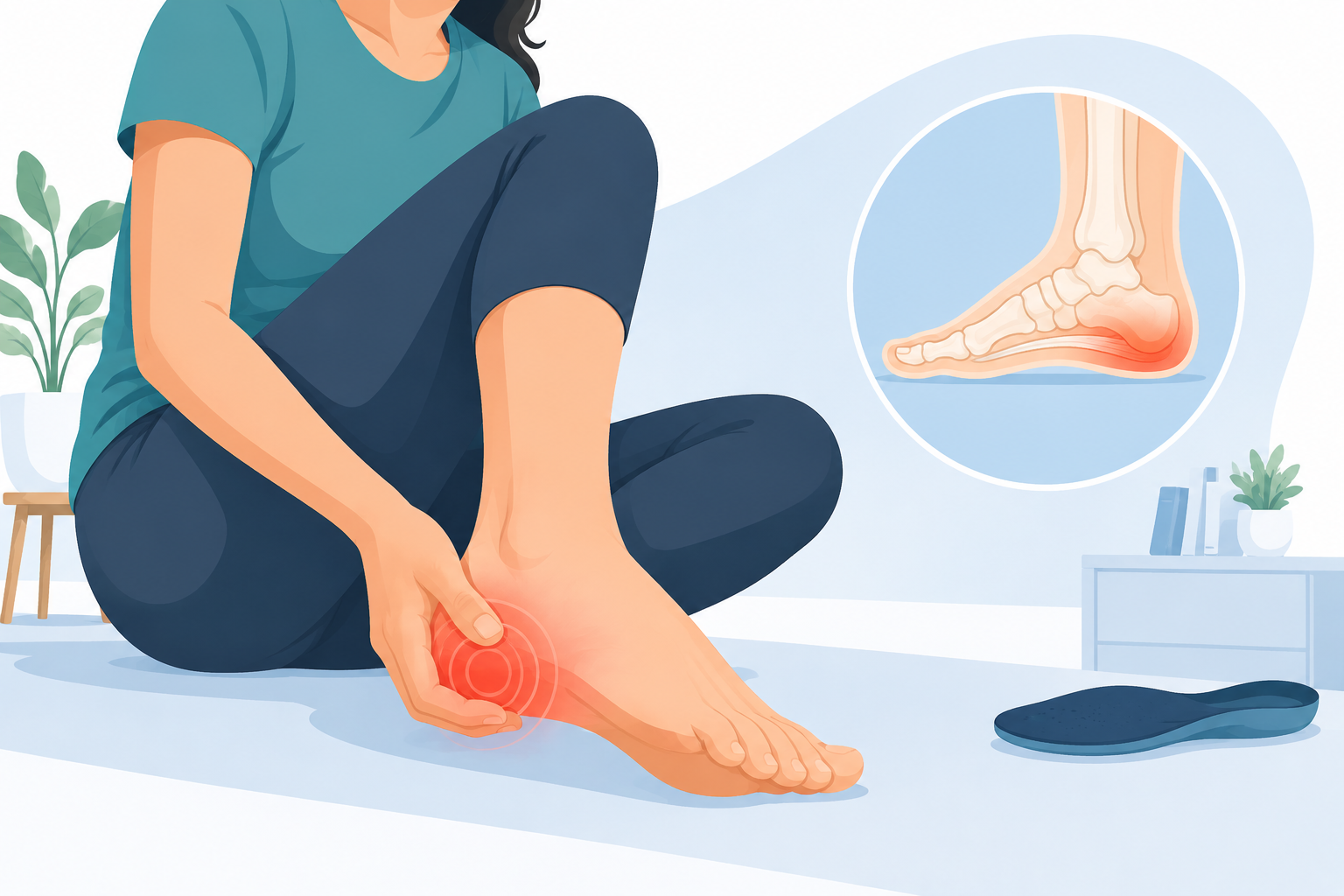
* Heel pain and plantar fasciitis
Arch pain and flat foot strain
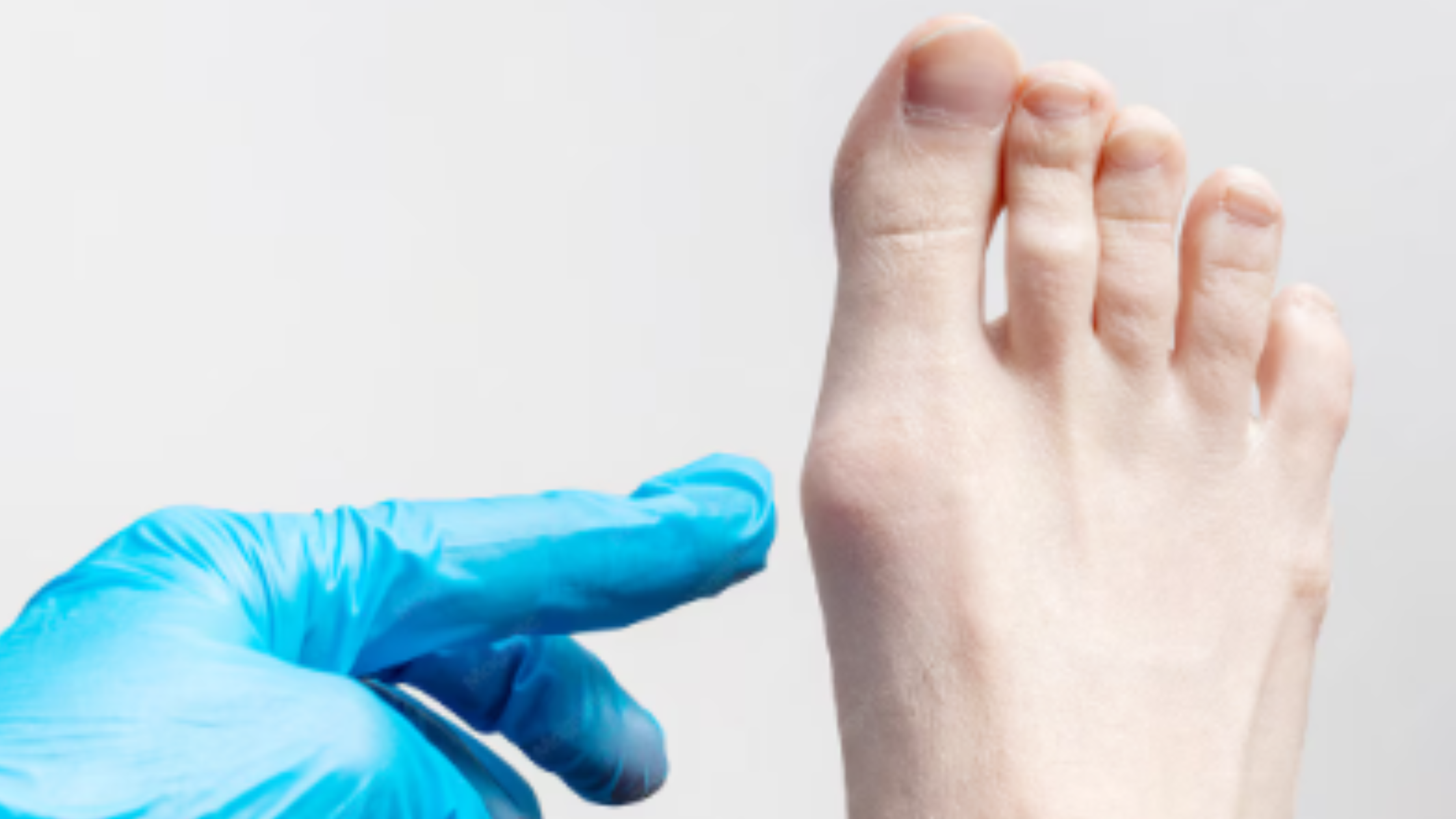
* Bunions and hammertoes
* Ankle instability
* Knee, hip, and lower back pain
Supportive shoes not only improve comfort but also protect your long-term foot health.
1. Look for Proper Arch Support
One of the most important features in a good shoe is arch support. Whether you have flat feet, high arches, or neutral arches, proper support helps distribute pressure evenly across your foot.
✔️ Shoes should not feel completely flat inside
✔️ The arch area should feel supportive, not tight
✔️ Consider custom orthotics if recommended by your podiatrist
If you experience arch pain or heel discomfort, a podiatric evaluation can help determine the best support for your feet.
2. Choose the Right Fit (Size Matters!)
Many people wear the wrong shoe size without realizing it. Shoes that are too tight can cause bunions and nerve pain, while loose shoes lead to instability.
Tips for a proper fit:
* Measure both feet (they’re often slightly different sizes)
* Leave about a thumb’s width between your longest toe and the shoe’s front
* Make sure the shoe is wide enough – your toes should not feel cramped
* Try shoes on in the afternoon when feet are slightly swollen
3. Check Cushioning and Shock Absorption
Good cushioning reduces impact when walking or standing for long hours. This is especially important if you work on your feet all day.
Look for:
* Shock-absorbing midsoles
* Firm heel counters (back of the shoe)
* Flexible forefoot (front part of the shoe)
Proper cushioning can help prevent heel pain and plantar fasciitis.
4. Avoid High Heels and Completely Flat Shoes
High heels shift pressure to the front of the foot, increasing the risk of bunions, neuromas, and ankle injuries. On the other hand, completely flat shoes without support can strain the plantar fascia.
For daily wear:
* Keep heels under 2 inches
* Avoid flip-flops for long walking
* Choose supportive sandals with arch support
5. Replace Worn-Out Shoes
Even high-quality shoes lose support over time. Worn soles and compressed cushioning can increase your risk of injury.
As a general rule:
* Replace athletic shoes every 300-500 miles
* Replace work shoes when the sole becomes uneven
* Don’t ignore visible wear on the heel
6. Choose Shoes Based on Activity
Running shoes are not ideal for long work shifts, and casual shoes may not provide enough support for exercise. Always choose footwear designed for your specific activity.
If you’re unsure which shoe type suits your lifestyle, a podiatrist can guide you.
When to See a Podiatrist
If you experience:
* Persistent heel pain
* Arch discomfort
* Ankle instability
* Toe deformities
* Pain that worsens with walking
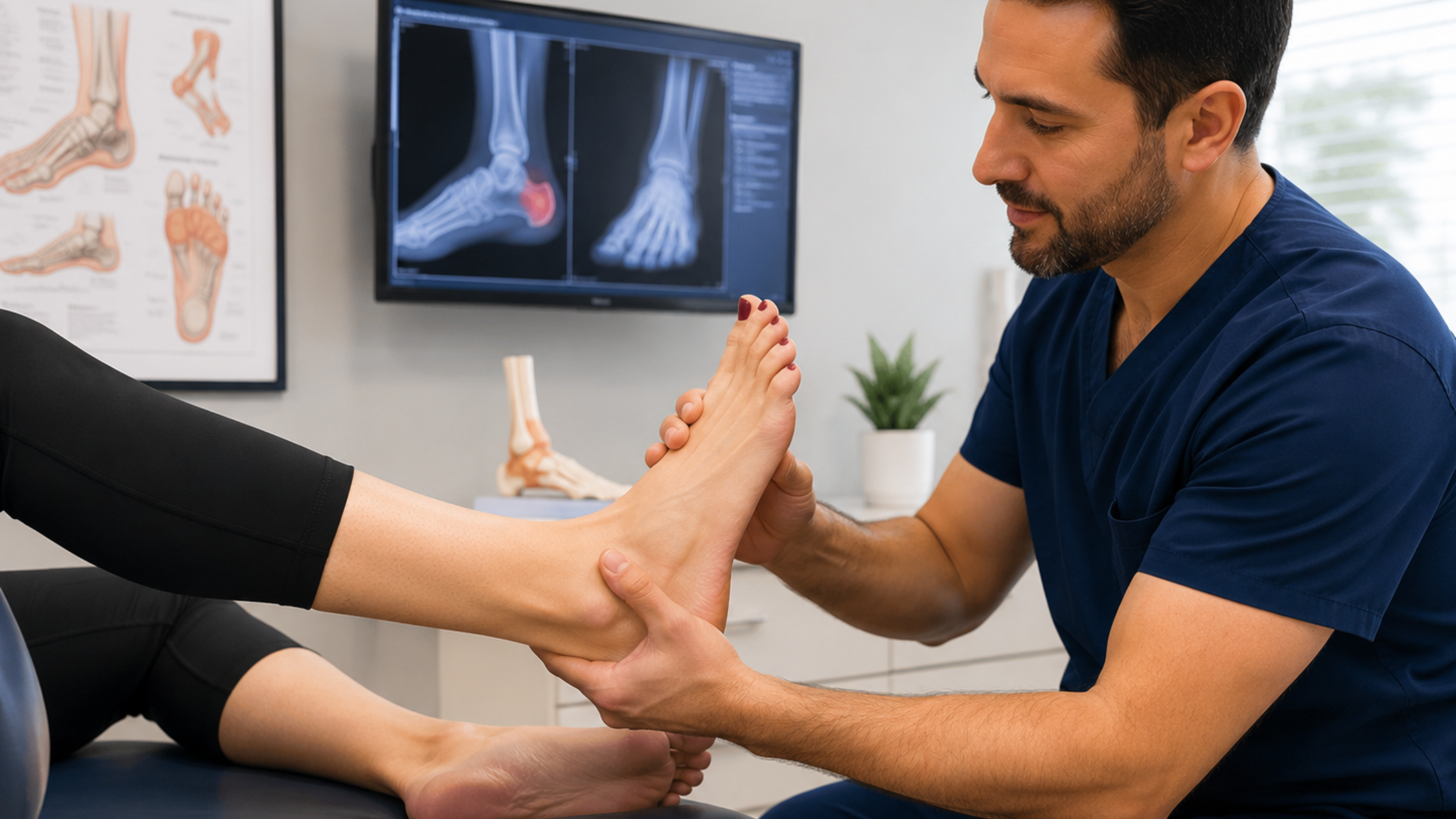
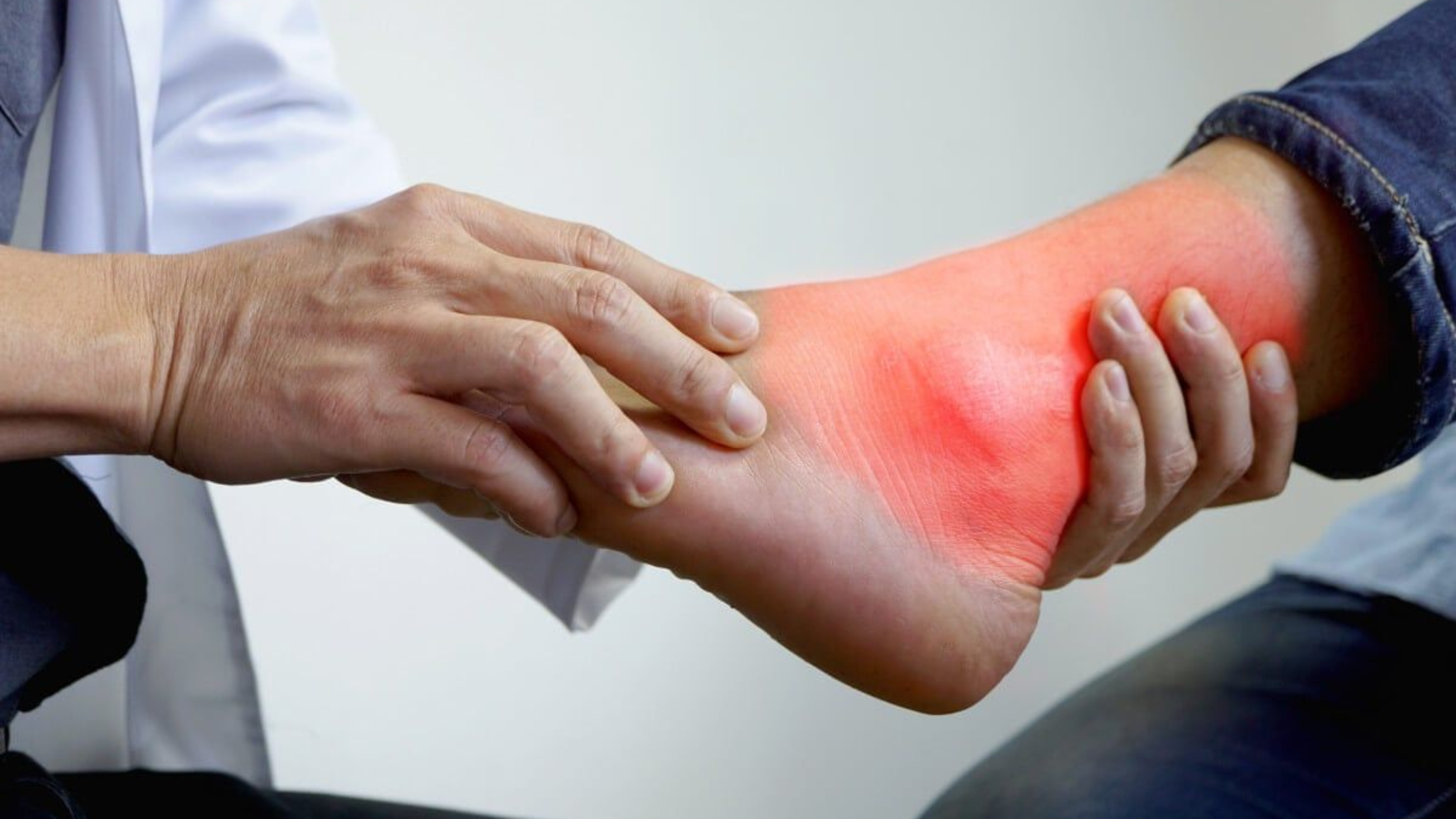
It may be time for a professional foot evaluation.
At Epic Foot and Ankle, our experienced podiatrists provide comprehensive foot care, personalized treatment plans, and guidance on proper footwear to keep you comfortable all day long.
Final Thoughts
Choosing the right shoes isn’t just about style – it’s about protecting your feet and preventing long-term problems. Support, fit, and function should always come first.
If you’re struggling with foot pain or need expert advice on footwear, schedule an appointment with Epic Foot and Ankle today. Your feet deserve the best care – and the right shoes make all the difference.