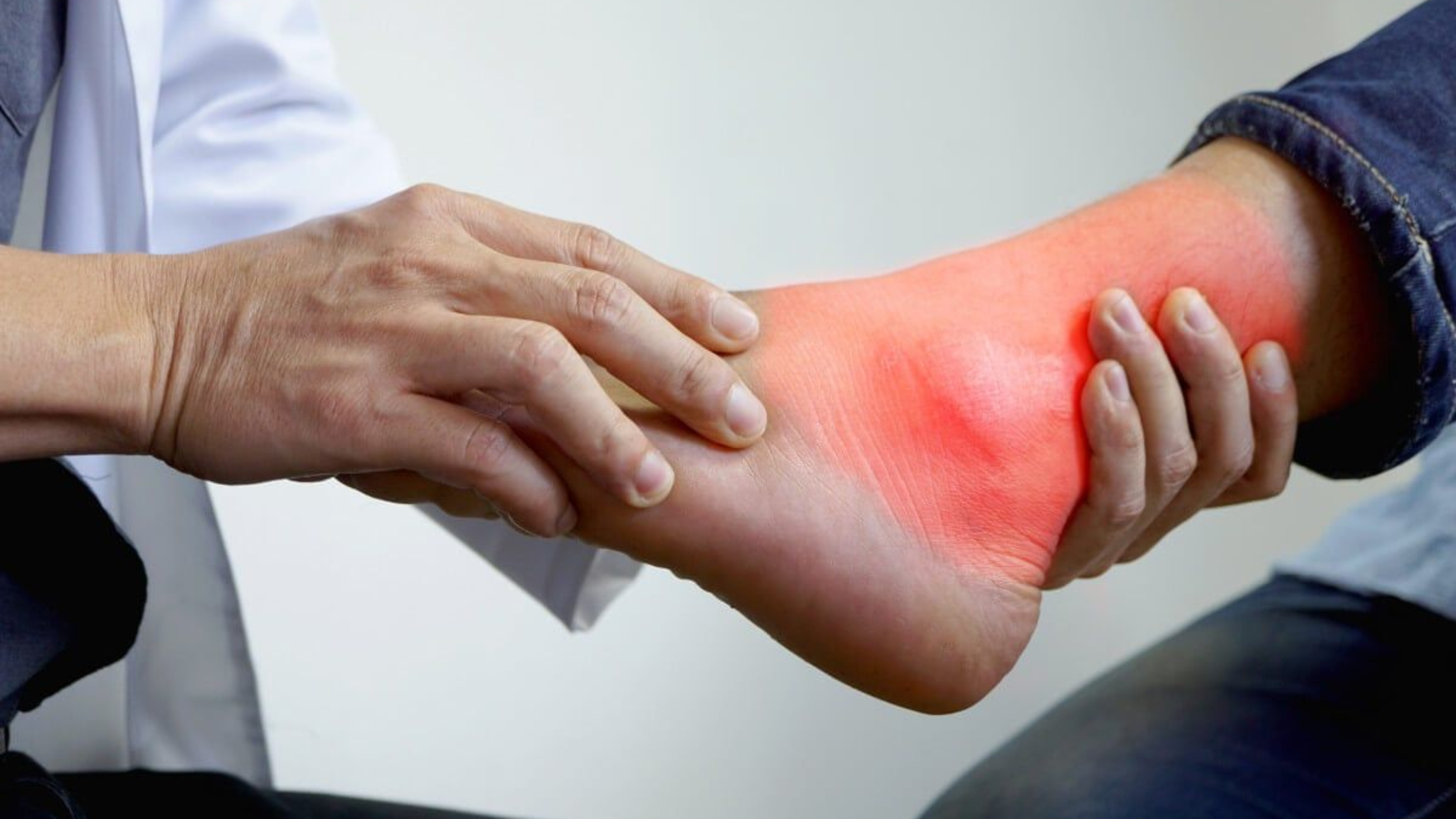

How to Find Lasting Relief from Chronic Heel Pain
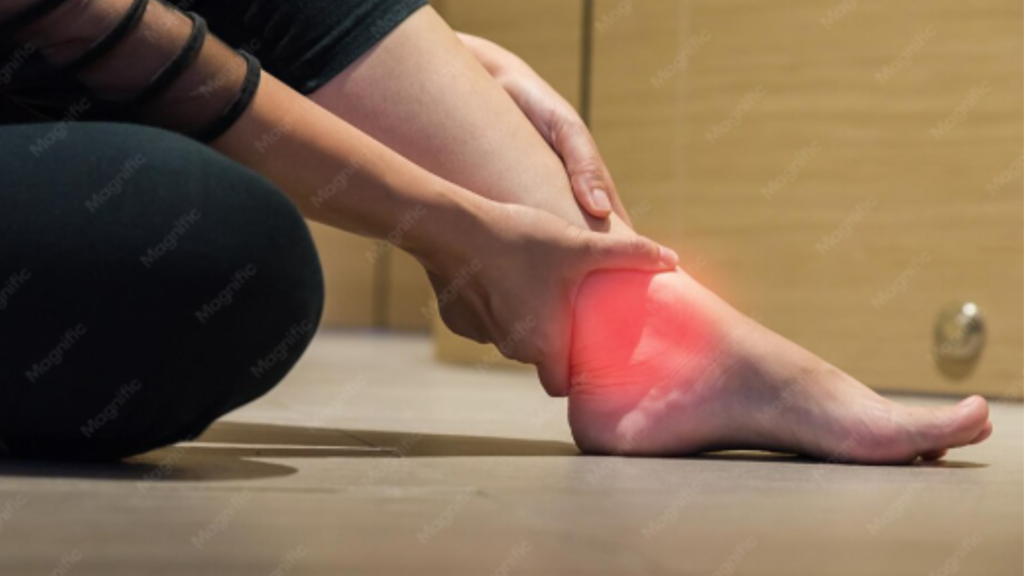
Heel pain is one of the most common foot problems affecting people of all ages. While occasional discomfort may resolve with rest, chronic heel pain can persist for weeks or even months, making it difficult to walk, exercise, work, or enjoy daily activities. Left untreated, chronic heel pain can significantly impact your quality of life and lead to additional foot and ankle problems.
The good news is that most cases of chronic heel pain can be effectively managed with the right diagnosis and treatment plan. Understanding the underlying cause of your pain is the first step toward finding lasting relief and restoring mobility.
What Is Chronic Heel Pain?
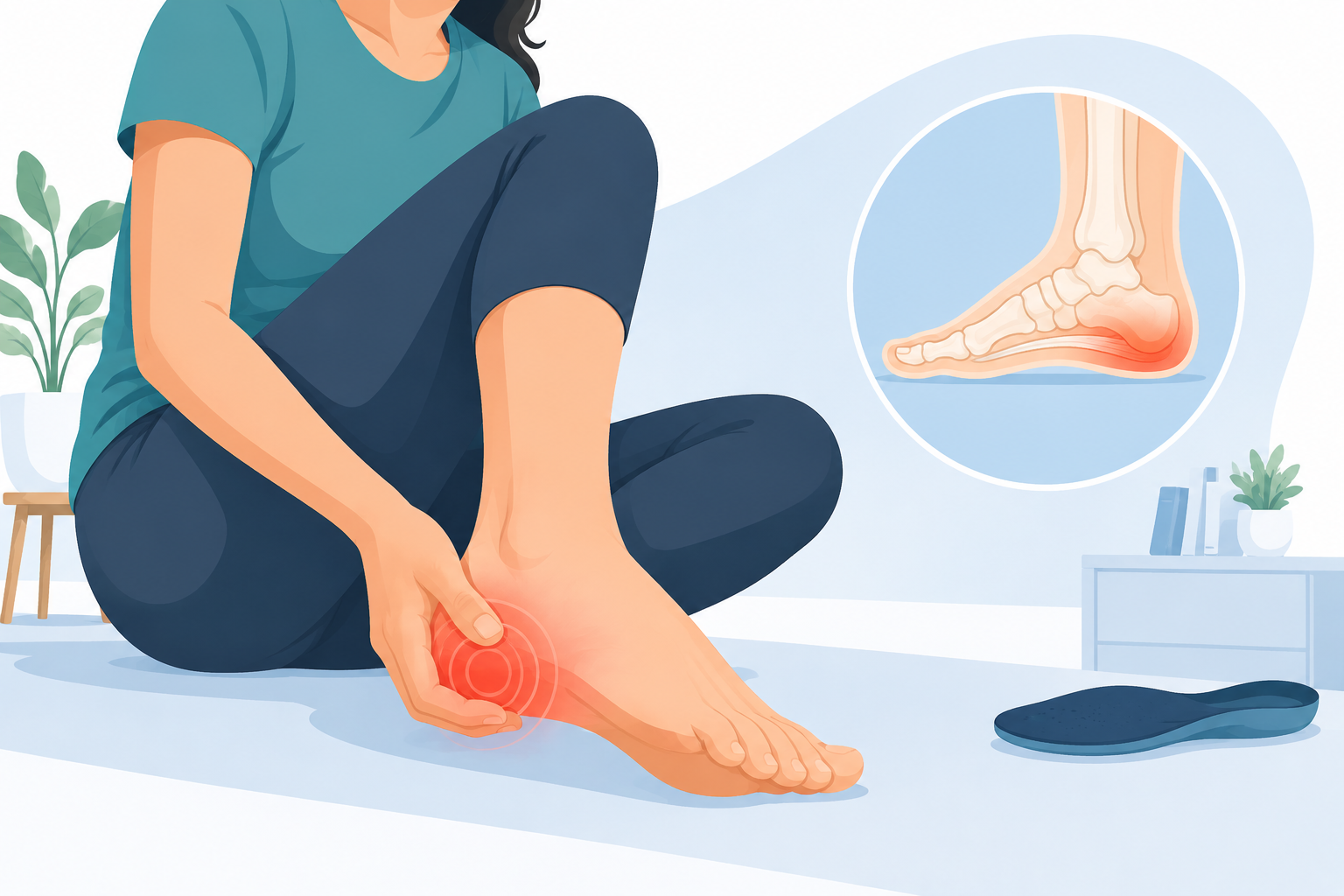
Chronic heel pain refers to persistent discomfort in the heel that lasts for several weeks or longer. The pain may occur under the heel, behind the heel, or along the sides of the foot depending on the underlying condition.
Common symptoms include:
Sharp or stabbing pain
Aching discomfort
Morning heel pain
Tenderness when walking
Swelling around the heel
Pain after prolonged standing
Difficulty participating in physical activities
If heel pain continues despite rest and home remedies, professional evaluation is recommended.
Common Causes of Chronic Heel Pain
Identifying the cause of heel pain is essential for effective treatment.
1. Plantar Fasciitis
Plantar fasciitis is one of the leading causes of chronic heel pain.
The plantar fascia is a thick band of tissue that connects the heel bone to the toes. Repetitive strain or overuse can cause inflammation and tiny tears within this tissue.
Common Symptoms
Sharp pain during the first steps in the morning
Pain after long periods of sitting
Discomfort after exercise
2. Heel Spurs
Heel spurs are calcium deposits that form bony projections on the heel bone.
Although not all heel spurs cause pain, some individuals experience ongoing irritation and discomfort during walking or standing.
3. Achilles Tendinitis
The Achilles tendon connects the calf muscles to the heel bone.
Overuse, tight calf muscles, or sudden increases in physical activity can lead to inflammation and chronic pain at the back of the heel.
4. Bursitis
Bursae are small fluid-filled sacs that cushion joints and reduce friction. Inflammation of the bursae near the heel can cause pain, swelling, and tenderness.
5. Stress Fractures
Repeated impact from activities such as running or jumping can create small cracks in the heel bone, leading to persistent pain.
6. Foot Structure Problems
Flat feet, high arches, and abnormal walking patterns can place excessive stress on the heel and surrounding tissues, contributing to chronic pain.
Risk Factors for Chronic Heel Pain
Several factors increase the likelihood of developing ongoing heel pain.
Common Risk Factors Include
Excess body weight
Prolonged standing
Running and high-impact sports
Poor footwear choices
Aging
Tight calf muscles
Occupations that require walking or standing for long hours
Understanding these risk factors can help prevent future problems.
Why You Should Not Ignore Chronic Heel Pain
Many people assume heel pain will eventually go away on its own.
However, untreated heel pain can lead to:
Changes in walking patterns
Knee, hip, or back pain
Reduced mobility
Chronic inflammation
Worsening foot conditions
Seeking treatment early often results in faster recovery and better outcomes.
Lifestyle Changes That Support Recovery
In addition to medical treatment, certain lifestyle adjustments can help improve outcomes.
Maintain a Healthy Weight
Reducing excess body weight decreases pressure on the feet and heels.
Stay Active Safely
Low-impact exercises such as swimming and cycling can help maintain fitness while minimizing heel stress.
Stretch Regularly
Consistent stretching helps maintain flexibility and reduce strain on foot structures.
Replace Shoes When Needed
Supportive footwear is essential for preventing recurring heel pain.
Preventing Future Heel Pain
Prevention is often easier than treatment.
Helpful Prevention Tips
Wear supportive shoes
Stretch before physical activity
Gradually increase exercise intensity
Maintain a healthy body weight
Use orthotics when recommended
Avoid prolonged barefoot walking on hard surfaces
These habits can significantly reduce the risk of future heel problems.
Explore our services: https://epicfootandankle.com/our-services/
Frequently Asked Questions
1. What is the most common cause of chronic heel pain?
Plantar fasciitis is one of the most common causes of chronic heel pain, especially among adults who spend long periods standing or walking.
2. Can chronic heel pain go away without treatment?
Some mild cases improve with rest, but persistent pain often requires professional evaluation and treatment.
3. Are orthotics effective for heel pain?
Yes. Custom orthotics can improve foot alignment, reduce pressure on the heel, and support long-term pain relief.
4. How long does heel pain recovery take?
Recovery varies depending on the cause and severity of the condition. Some patients improve within weeks, while others may require several months of treatment.
5. When should I see a podiatrist for heel pain?
If heel pain persists, worsens, or interferes with daily activities, it is important to seek professional care.