
Foot pain can change the way you walk, stand, work, and live. When a bunion begins to grow, the discomfort often starts small. A bit of soreness near the big toe. A little rubbing inside your shoe. Over time, the pain becomes harder to ignore. Walking feels stiff. Long hours on your feet feel draining. Even choosing shoes becomes frustrating. Bunions do not only affect your foot. They affect your daily movements and your confidence. Many Americans deal with this condition every single day. The good news is that with the right care, relief is absolutely possible. Epic Foot and Ankle offers advanced, personalized solutions that bring comfort back into every step.
What Exactly Is a Bunion
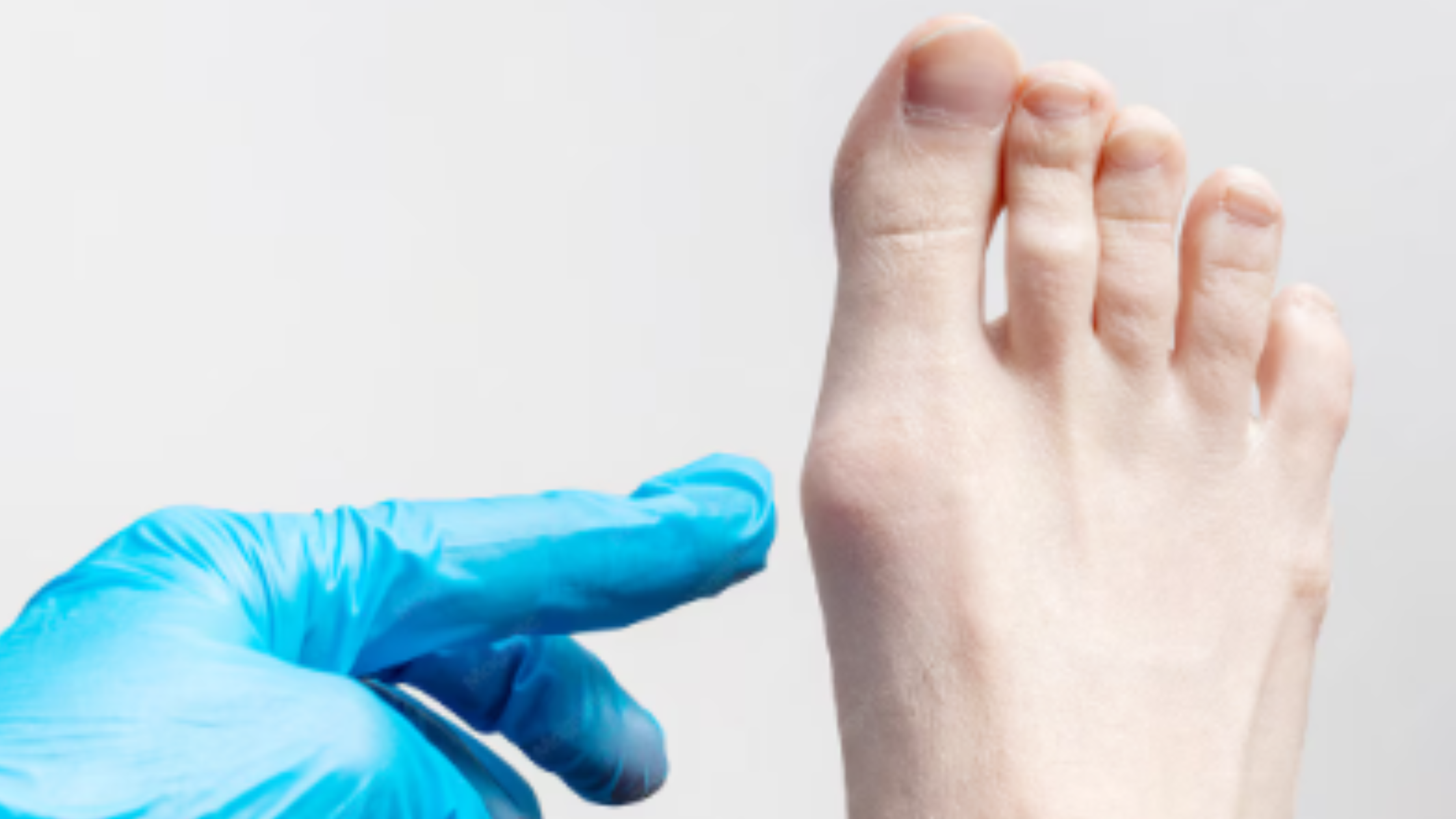
A bunion is a bony bump that forms at the base of your big toe. It develops when the toe begins to lean toward the others, causing the joint to shift out of alignment. The misalignment forces the joint outward. As the bunion grows, the surrounding tissue becomes irritated, swollen, and sensitive to pressure. This explains why shoes suddenly feel tight and walking becomes more painful.
Many people assume bunions are simply cosmetic. In reality, they are a structural problem that worsens over time if ignored. Early care is the key to preventing long-term discomfort.
Why Do Bunions Form
Several factors can contribute to bunion development.
Genetics
If bunions run in your family, your foot shape may naturally make you more prone to them.
Foot Structure
Flat feet, low arches, and loose ligaments often lead to bunion formation.
Improper Footwear
Narrow shoes, pointed toes, and high heels squeeze the big toe into an unnatural position. This constant pressure encourages the joint to shift.
Arthritis
Inflammatory joint conditions can weaken the big toe joint and accelerate bunion growth.
Injury
Past trauma to the foot may alter alignment and increase the risk of bunions.
Each case is unique, which is why a personalized approach matters.
Why Bunions Become a Daily Problem
A bunion changes the natural alignment of your foot. This leads to uneven pressure when walking. The skin around the joint becomes irritated. The toe becomes stiff. The bunion becomes sensitive every time it rubs against footwear. Over time, this leads to symptoms like:
- Sharp or aching pain
- Swelling around the big toe joint
- Redness and inflammation
- Limited movement
- Difficulty balancing
- Pain that increases after long periods of standing
As the bunion progresses, the big toe may push against the second toe. This can create additional issues such as hammertoes, calluses, and joint stiffness. Many people find themselves avoiding certain shoes or cutting back on activities because the pain becomes too much.
Epic Foot and Ankle. Delivering Real Relief from Bunion Pain
Treating bunions requires more than a one size fits all approach. Epic Foot and Ankle provides comprehensive, effective care that focuses on relieving pain and restoring proper foot alignment. Every treatment plan is personalized based on the severity of the bunion, the patient’s lifestyle, and long-term mobility goals.
What Sets Epic Foot and Ankle Apart
Their approach focuses on comfort, accuracy, and long-term results.
Precise Evaluation
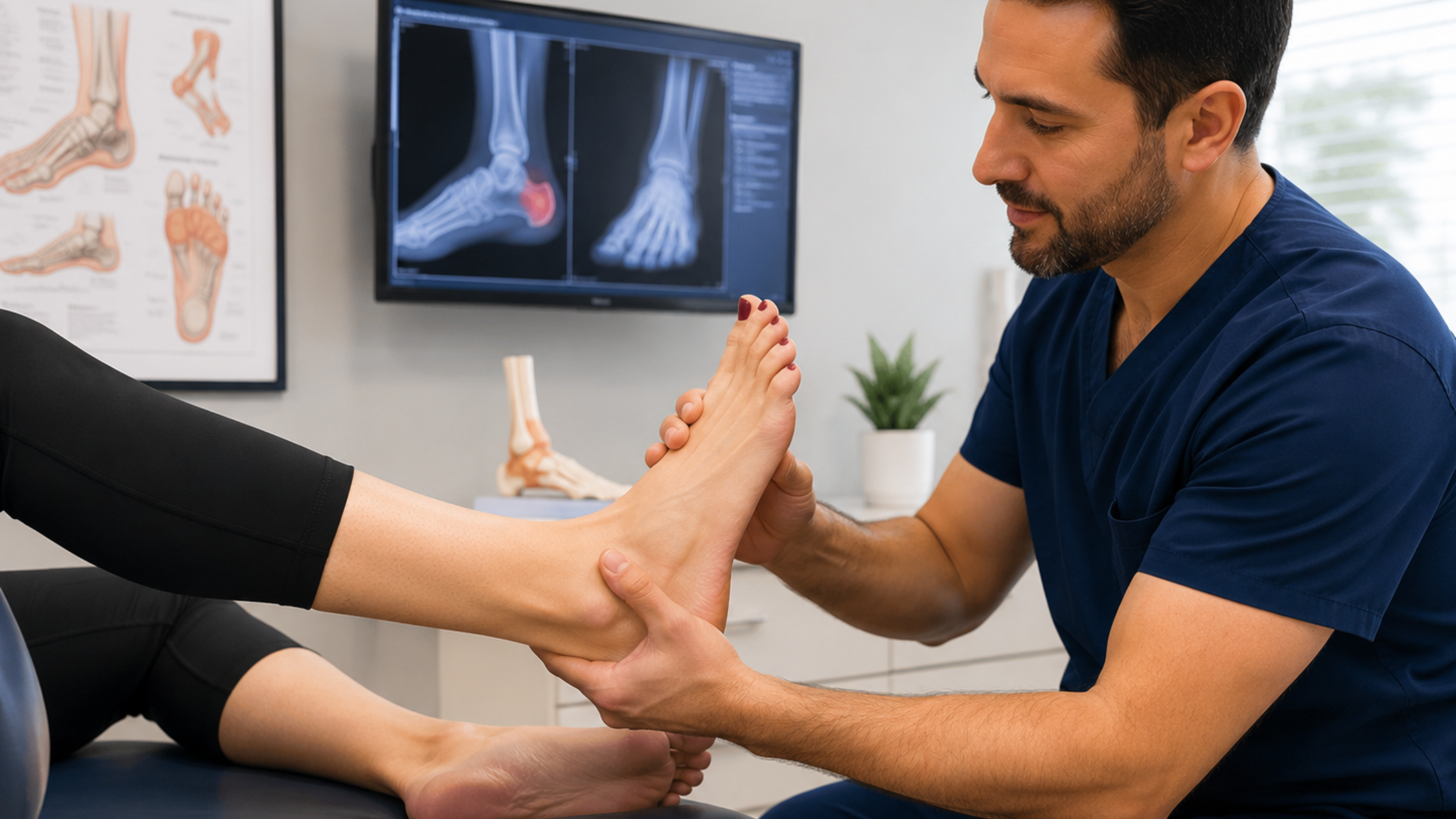
Before suggesting treatment, their specialists perform a detailed examination of your foot structure and bunion severity. Imaging tools provide a clear look at joint alignment and tissue condition. This precision ensures every patient receives the right care from the start.
Patient-Centered Treatment Plans
Your lifestyle matters. Whether you are active, work long hours on your feet, or simply want more comfort during everyday tasks, they design a plan that supports your goals.
Advanced Treatment Options
They offer both non-surgical and surgical solutions. This ensures that you get the level of care that matches the severity of your condition.
Non-Surgical Treatment Options
Many bunions can be managed without surgery when treated early. These options at Epic Foot and Ankle focus on reducing pain, slowing progression, and improving foot alignment.
Custom Orthotics
Custom-made inserts support the arch and reduce pressure on the bunion. They help guide the foot into proper alignment and decrease daily discomfort.
Padding and Protective Shields
Soft pads or guards prevent rubbing against shoes. This reduces irritation and makes walking more comfortable.
Footwear Guidance
Their specialists help patients choose supportive, well-fitted shoes that reduce pressure on the joint.
Anti-Inflammatory Treatments
Topical or oral medications can reduce swelling and provide temporary relief.
Physical Therapy and Stretching
Targeted exercises help strengthen foot muscles, increase flexibility, and reduce pain caused by joint misalignment.
These methods are highly effective for mild to moderate bunions, or for patients who want to delay or avoid surgery.
When Surgery Becomes the Best Option
If a bunion becomes too painful or begins to limit movement, surgery may be the most effective way to restore comfort and alignment. Epic Foot and Ankle performs advanced surgical procedures designed to realign the bone, correct joint structure, and reduce long-term pain.
Benefits of Modern Bunion Surgery
- Better foot alignment
- Reduced pain and inflammation
- Improved mobility
- Ability to return to normal footwear
- Lower risk of the bunion returning
Their specialists explain each surgical option clearly, helping patients make confident, informed decisions. Recovery plans are also personalized to encourage faster healing and better long-term outcomes.
How Bunions Affect Overall Health
The foot is the foundation of your body. When alignment is off at the foot, everything above can be affected. Bunions often cause compensatory walking patterns. Over time, this can lead to:
- Knee discomfort
- Hip strain
- Lower back pain
- Muscle fatigue
- Increased risk of injury
Treating a bunion is not only about relieving foot pain. It is about protecting full-body alignment and improving overall movement.
When to Seek Professional Help
If you notice any of these signs, it is time to consult a specialist.
- Persistent pain near the big toe
- Difficulty fitting into shoes
- Swelling and redness around the joint
- Pain that worsens with walking
- Reduced motion in the big toe
- Changes in walking patterns
Bunions do not heal without treatment. Early intervention can prevent the problem from becoming more severe.
Epic Foot and Ankle. Helping You Walk Comfortably Again
Their mission is simple. To restore comfort, mobility, and confidence with effective bunion care. Whether your bunion is mild, moderate, or severe, their expert team provides the guidance and treatment needed to bring lasting relief.
You deserve to walk without pain, stand without discomfort, and move through your day with ease. Epic Foot and Ankle is committed to making that possible.
Latest Post
August 18, 2026
August 7, 2026